Table of Contents
Introduction
Have you ever wondered how people without TV or internet still get emergency alerts? How does someone in a remote town hear life-saving news if there’s no access to cable or Wi-Fi? That’s where the Zeno Radio EAS alert feature comes in—and it’s changing the game.
Zeno Radio is a platform best known for streaming community radio stations. It gives immigrant and minority communities access to local voices in their own language. But one powerful feature doesn’t get enough attention—the Emergency Alert System (EAS) built right into Zeno’s technology.
The Zeno Radio EAS alert feature helps radio stations send urgent messages instantly. These alerts inform people about natural disasters, weather warnings, missing persons (like AMBER Alerts), and even security threats. And here’s the best part: these alerts go out through radio and phone streaming, reaching people where they are—even without internet.
In this guide, we’ll explore how this system works, who it helps, and how it’s making a real difference during emergencies. Using easy language and helpful examples, this guide will show how Zeno Radio is helping communities stay safe, connected, and informed.
Let’s dive deeper.
What Is the Zeno Radio EAS Alert Feature?
The Zeno Radio EAS alert feature is a tool that allows radio stations using Zeno’s platform to send official Emergency Alert System notifications directly to listeners.
EAS stands for Emergency Alert System. It’s a national public warning system that allows government agencies and local broadcasters to share urgent messages with the public fast. Normally, EAS alerts go out through TV and traditional radio. But what happens when a listener has no access to TV or a regular radio? That’s where Zeno Radio’s mobile and digital radio apps come in.
This alert feature turns mobile devices and streaming platforms into mini emergency alert systems. When enabled, local stations can push real-time alerts through the Zeno app or phone-streamed broadcasts. It helps reach people who might otherwise be left out in a crisis.
Zeno makes sure no one is left behind—no matter where they live or what language they speak.
Why Zeno Radio’s Alert System Is Different
Traditional EAS systems work best on devices already tuned in—TVs or AM/FM radios. But not everyone uses those anymore. Many people listen to radio through mobile apps, landlines, or streamed phone numbers, especially in underserved communities.
Zeno Radio reaches listeners using technology they already use, like:
- Call-to-listen phone numbers
- Radio streaming apps
- Smart speaker devices like Alexa
- Websites with play-on-click audio
What makes the Zeno Radio EAS alert feature different is how it connects the emergency alert world with today’s digital listeners. It bridges gaps—especially in immigrant, rural, and urban communities where access to traditional media may be limited.
This matters because during emergencies, seconds count. Getting alerts to people as fast and clearly as possible can save lives.
How the Zeno Radio EAS Alert Feature Works
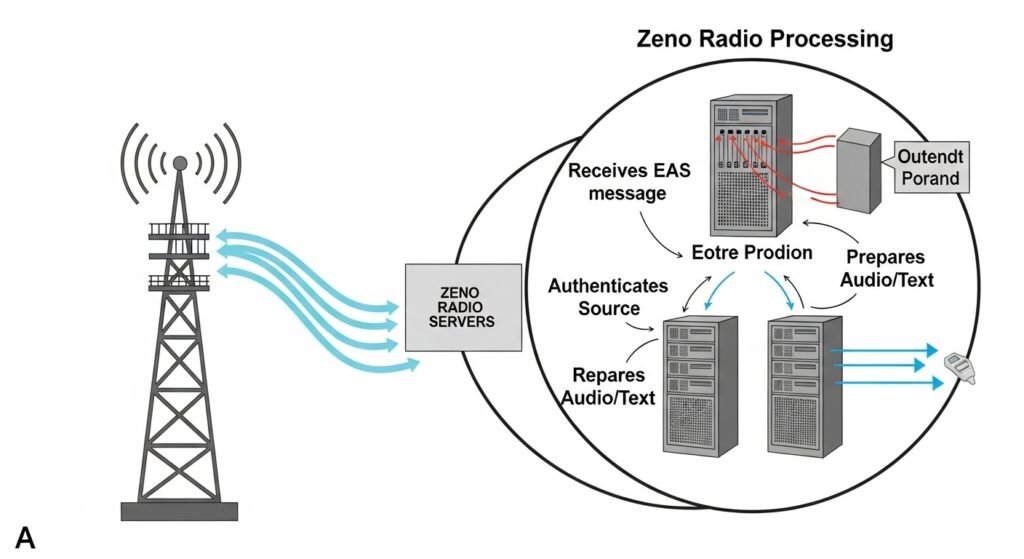
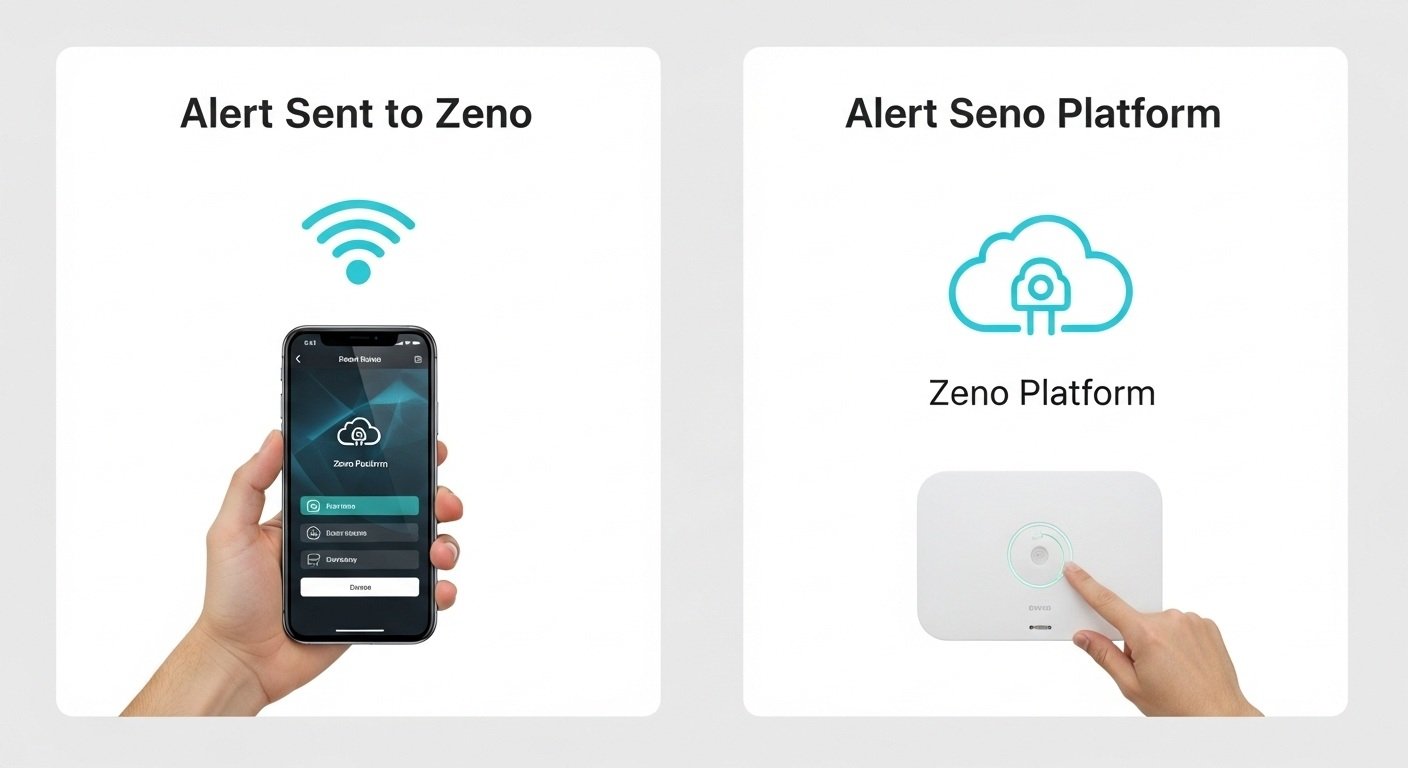
Using the Zeno Radio EAS alert feature is simple for broadcasters and seamless for listeners. The entire process happens fast, with little delay.
Here’s how it works, step by step:
- A local or national alert is issued—this may be a weather warning, evacuation notice, or AMBER Alert.
- The Zeno broadcaster receives the alert through integrated systems.
- With one click, stations can activate the alert within their Zeno dashboard.
- Listeners tuned in (via app, phone stream, or website) hear the emergency message right away.
- The system supports English, Spanish, French Creole, and other languages based on audience needs.
The Zeno system also allows automated messages or live announcements. This way, broadcasters can react fast, and listeners are informed instantly in their preferred language.
Who Uses the Zeno Radio EAS Feature Most Often
The Zeno Radio EAS alert feature is used by hundreds of community stations that serve localized or language-specific populations. Many urban areas like New York, Miami, and Los Angeles have strong immigrant radio communities built on Zeno’s platform.
These are the groups that benefit most:
- Haitian and Caribbean communities
- Latin American communities
- African diaspora communities
- Low-income neighborhoods with limited internet access
- Rural areas with weak radio signals but access to phones
In many of these communities, Zeno Radio provides one of the few reliable sources of trusted, local information. Emergency alerts through this channel feel more real, direct, and personal.
Why Mobile Access Matters in Emergencies
Mobile listeners are some of the most at-risk groups when it comes to missing critical public safety information. Many working adults don’t have time to watch TV or check their phones hourly for breaking news.
Here’s why mobile access with the help of the Zeno Radio EAS alert feature is essential:
- It works on non-smartphones using call-to-listen phone numbers.
- It reaches people in motion (drivers, workers, travelers).
- It includes users who might not speak fluent English.
- It doesn’t rely on fast internet speeds or app downloads.
People already use their phones for radio. So why not make those same streams a pathway for rescue messages, community notifications, and weather warnings?
What Types of Alerts Can Be Broadcast Through Zeno
Zeno’s alert feature is flexible and powerful. It’s connected to the national EAS feed but allows local stations to manage and distribute alerts that directly impact their audience.
Types of alerts supported by the Zeno Radio EAS alert feature include:
- Weather emergencies: hurricanes, tornadoes, blizzards, and floods
- Missing persons: AMBER and Silver Alerts
- Fire evacuations or chemical spills
- Active shooter or police activity alerts
- Heat advisories or power outages
- COVID-19 or health-pandemic updates
- Public safety bulletins from state or local governments
Because Zeno’s system is easy to use, small stations can act like big networks when it matters most. A one-person station in a remote area can play a key role in saving dozens of lives.
Language Support and Cultural Trust
One of Zeno Radio’s greatest strengths is its ability to connect with people in their own native language. When it comes to emergencies, understanding details is critical.
The Zeno Radio EAS alert feature supports multi-language broadcasting. This means alerts can be issued in Spanish, Haitian Creole, French, Arabic, or whatever language the community speaks.
This isn’t just a tech feature—it builds cultural trust. Community members are more likely to take action when the warning comes in a language they understand, from a station voice they recognize.
That kind of trust saves time—and lives.
How Broadcasters Enable the EAS Alert Tool on Zeno
For station owners or show hosts using Zeno Radio, enabling the EAS alert feature is easy. There’s no need to install wires, antennas, or massive equipment like old-school stations.
Here’s how to use it:
- Log in to your Zeno Station Manager dashboard.
- Navigate to your station’s EAS alert section.
- Enable alerts and choose your default language, settings, and recipients.
- Either let alerts come in from registered sources or issue your own.
- Test the system to make sure it plays clearly over your stream.
Zeno also offers training and customer support to make sure every broadcaster is confident using this life-saving feature.
Real Stories: When the Zeno EAS Feature Saved the Day
Let’s make this real with a few examples.
In 2023, during severe flooding in Florida, a small Haitian community radio station delivered real-time alerts using the Zeno Radio EAS alert feature. Their station was the only source many elder listeners had. Multiple families responded to the warnings and safely evacuated before the roads closed.
During winter in upstate New York, a Spanish-speaking community station used Zeno’s system to warn about black ice and unexpected road closures. Local plumbers, delivery drivers, and school bus operators heard the warning live—and avoided accidents.
These stories show the human side of the tech. Behind every alert is a family, a child, a worker who made it home safely—all thanks to technology serving the people.
Advantages of Zeno Radio EAS Alerts Over Traditional Alerts
Here are some key advantages the Zeno Radio EAS alert feature offers against more traditional tools like radio towers or mass text messages:
- No expensive hardware or signal towers required
- Works instantly over mobile radio, call-to-listen, apps, and smart devices
- Customizable by language and location
- Empowers small stations to handle public safety messaging
- Removes barriers caused by lack of TV, cable, or internet access
Zeno gives more power to the broadcasters—and more protection to the public.
The Role of the Broadcaster During an Alert
When using the Zeno Radio EAS alert feature, the local broadcaster plays a big role. They are the trusted voice their community tunes into every day. So when an alert comes from them, it’s taken seriously.
The broadcaster’s job is to:
- Share key updates clearly and calmly
- Translate alerts into local language or slang where needed
- Repeat alerts for those who tune in late
- Provide extra details the national message might not include
- Encourage readiness without creating panic
This personal touch helps make the system effective and reassuring.
How to Prepare Your Community to Listen for Alerts
Broadcasters can let listeners know they are using the Zeno Radio EAS alert feature by doing the following:
- Run short ad breaks saying: “This station shares emergency alerts live!”
- Create a jingle or sound effect that lets people know an alert is about to play
- Educate listeners on what kinds of alerts they should expect
- Encourage saving the call-in number or app link for fast access
- Remind them to unplug after the alert or keep radios charged during bad weather
With just a little preparation, these stations help keep entire communities safer.
FAQs
What is the Zeno Radio EAS alert feature?
It’s a digital emergency system that lets radio stations send emergency messages to listeners through phone and internet streams.
Does it work without internet?
Yes! People can call in to their favorite radio station and hear alerts through landlines or mobile calls—no internet needed.
How do alerts get sent out?
Alerts come from official emergency authorities. Broadcasters can also send alerts from their station dashboard on Zeno.
What if my listeners speak another language?
Zeno supports multilingual alerts, letting you issue messages in Spanish, Creole, or your community’s language.
Can small stations use this feature for free?
Many Zeno broadcasters already have access to this tool as part of their existing setup. Check with Zeno support for your station’s plan.
Is the feature available in all areas?
Zeno Radio works anywhere there’s mobile phone access or internet streaming, so it’s great for areas with limited tech options.
Conclusion
Now you know everything about the Zeno Radio EAS alert feature—what it is, how it works, and why it matters.
It’s more than just a media tool. It’s a bridge between emergency services and the people who need them most. It’s a simple-but-smart way to keep communities connected, informed, and safe—no matter where they are or what language they speak.
In a world full of surprises—from weather events to health threats—timely alerts save lives. Whether you’re a listener, a community leader, or a broadcaster, this feature gives you a voice during critical moments.
If you’re not listening to a Zeno-powered station yet, look one up today. And if you’re a broadcaster not using this tool—what are you waiting for?