Table of Contents
Introduction
Have you ever wondered who takes care of Norway’s wild animals and nature? That special group is called the viltnemnda. It might sound like a fancy word, but it plays a big role in keeping Norway’s forests and animals healthy and safe.
The viltnemnda is a team that helps take care of wildlife. They make sure animals like deer, moose, and foxes can live safely in nature. They also help people, too—like when animals cross roads or come into towns. Their job connects nature, animals, and people in a helpful way.
In this article, we’re going to explore everything about the viltnemnda. You’ll learn what they do, who is part of the team, and how they help. We’ll also talk about when you should call them and how they protect both animals and humans.
Let’s dive into this simple guide filled with easy-to-understand facts, fun examples, and a friendly tone. By the end, you’ll become a mini-expert on the viltnemnda—and you might even want to join them one day!
What Is the Viltnemnda?
The word “viltnemnda” means “wildlife committee” in Norwegian. It’s a local group in each town or city that looks after wild animals. They work with the government and follow special rules to help protect wildlife.
Each town in Norway usually has its own viltnemnd (singular form). This group is made up of people who know a lot about nature. They may be hunters, farmers, nature lovers, or local leaders. They decide how and when to hunt, how to protect animals, and what to do when problems happen.
For example, if a moose gets hurt in a car accident, the viltnemnda might come to help. They make sure the animal does not suffer and help the police manage the situation. Their job is all about respect—for animals, for people, and for nature.
Who Are The Members of the Viltnemnda?
The viltnemnda is made up of local people chosen by the municipality. They usually have experience with hunting, wildlife, or farming. Some are volunteers, and others may be appointed by the city council.
Most viltnemnd members have a deep love for nature. They take training courses so they know how to act in different situations. They learn how to handle injured animals, plan safe hunting seasons, and protect endangered species.
In many areas, you’ll also find younger members joining to learn the ropes. This helps keep wildlife knowledge alive for future generations. It’s a great mix of experience and fresh ideas.
What Does the Viltnemnda Do?
The viltnemnda has a big list of important tasks. Their work is all about managing wild animals and helping the community. Here’s what they usually do:
- Make hunting rules every year
- Count animals like moose, deer, and roe deer
- Help if wild animals are hurt or in danger
- Decide what to do when animals are too close to people
- Give expert advice to local government
They also work closely with the Statens Naturoppsyn (nature inspectors), police, and hunters. Their teamwork helps make sure wild animals live safely in Norway’s forests and mountains.
Hunting and the Viltnemnda
One of viltnemnda’s biggest jobs is managing hunting. But don’t worry—they don’t just let people hunt whenever they want! Hunting in Norway is highly regulated. Each year, the viltnemnda looks at animal populations and creates a plan for hunting.
This plan tells:
- Which animals can be hunted
- How many can be hunted
- Where and when hunting is allowed
They try to keep everything balanced. If too many animals are hunted, the population could drop. If no animals are hunted, there could be too many, which might lead to problems like car accidents or sick animals.
So the hunting rules help protect both people and wildlife.
When to Call the Viltnemnda
You should contact the viltnemnda in certain situations. For example:
- If you see an injured wild animal
- If a moose or deer is hit by a car
- If there are wild animals near schools or towns
- If you want to report a sick or dangerous animal
Most towns have a 24/7 number you can call. Often, the police or emergency services will contact viltnemnda directly when needed.
It’s always better to let professionals handle wild animals. They have the tools and training to take care of both the animal and public safety.
How the Viltnemnda Manages Animal Accidents
Sadly, animal accidents happen, especially in areas with lots of traffic. Every year, hundreds of moose and deer are struck by cars or trains in Norway.
The viltnemnda has a plan for what to do when this happens. They quickly respond to the accident, often working with police or animal rescue teams. They check if the animal can be saved. If not, they make sure the animal does not suffer.
They also look for signs of injured animals that might have run off. They use dogs and tracking tools to find those animals and help them.
Thanks to the viltnemnda, many injured animals receive quick help, and drivers stay safer on the roads.
Wildlife Counts and Nature Monitoring
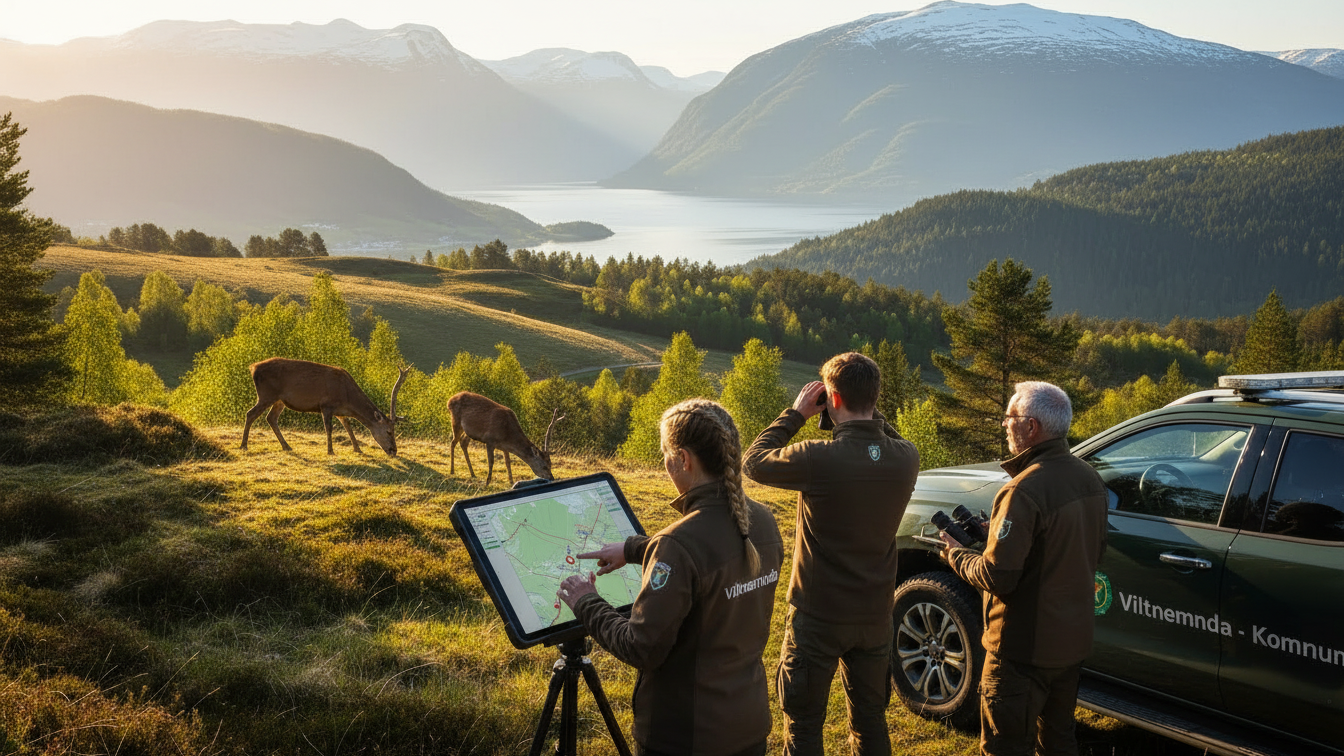
The viltnemnda does more than help in emergencies. They also spend a lot of time watching and counting animals. This helps towns and cities understand what animals live nearby and how many there are.
Every year, the viltnemnda:
- Counts moose and other large animals
- Tracks migration or movement patterns
- Records births and deaths in animal herds
- Watches for signs of disease
They use tools like binoculars, cameras, and maps. Sometimes hunters or hikers help by reporting what they see too.
These animal counts help decide how many animals can be hunted or if more protection is needed. It’s one way the viltnemnda protects nature using real information.
Working With Other Nature Groups
The viltnemnda doesn’t work alone. They team up with other important nature groups in Norway, such as:
- The Statens Naturoppsyn (SNO)
- Local hunting teams
- Environmental police units
- Animal rescue groups
Together, they share tools and knowledge. For example, the SNO might study pollution or nature damage, while the viltnemnda works directly with wildlife. When they work together, nature gets even better protection.
Having a strong team helps respond faster to emergencies and creates smarter rules for keeping nature safe.
Wildlife Education and the Community
Many people don’t know much about wild animals or how to protect them. That’s why the viltnemnda also spends time teaching.
Some committees visit schools, host talks, or teach kids about nature. Others write articles or share updates on social media.
They teach about:
- How to stay safe near wild animals
- Why it’s bad to feed wild animals
- What to do if you see an injured animal
- Why hunting rules are important
This education helps people understand nature better. When people and animals understand each other, they live together more peacefully.
Challenges the Viltnemnda Faces
Working with wild animals is not always easy. The viltnemnda faces many tough situations:
- Not enough money or time
- More animals near towns and cities
- Wild animals getting sick from pollution or diseases
- Conflicts between people about hunting or animal safety
Still, they try to do their best every day. Many members use their own time and energy to help. It shows their kindness and love for nature.
The job takes patience, skill, and a big heart. And most people in Norway deeply appreciate their work.
Real Examples of Viltnemnda in Action
Let’s look at a few real-life examples:
- In Hedmark, the viltnemnda helped rescue a moose stuck in deep snow near homes. They used ropes and worked with firefighters to lead it safely back into the forest.
- In Tromsø, the viltnemnda responded quickly when a deer was injured by a car. They tracked it through the forest and helped it humanely.
- In Bergen, they held a workshop at a school, teaching kids how to act responsibly around nature and wild animals.
These stories show that the viltnemnda is active, caring, and always ready to help.
Why the Viltnemnda Is So Important for the Future
As more people live in towns and use nature for hiking, skiing, or biking, nature gets more crowded. Wild animals often lose space or get scared. That’s where the viltnemnda becomes even more important.
They help create a safe balance.
By making wise choices and helping in emergencies, the viltnemnda protects nature in a smart and fair way. They are a voice for the animals and a guide for the people.
Protecting nature isn’t only for today—it’s for tomorrow, and the viltnemnda is leading the way.
FAQs
1. What does viltnemnda mean?
It means “wildlife committee” in Norwegian. They work to protect wild animals and manage hunting safely.
2. Do I need special training to join the viltnemnda?
Yes, members take training in wildlife safety, tracking, and laws about hunting and animals.
3. Can I call viltnemnda if I see a hurt animal?
Yes! They’re the right people to help when animals are injured or in danger.
4. Are viltnemnda members paid?
Sometimes they get paid for certain tasks, but many also volunteer because they care about nature.
5. What animals do they work with most?
They often deal with moose, deer, roe deer, foxes, and sometimes large birds or bears.
6. How can I learn more about the viltnemnda in my area?
Check your local municipality’s website or ask local police. You can also ask at your local town office.
Conclusion
The viltnemnda may work quietly in the background, but their efforts keep nature safe for all of us. Whether it’s saving a hurt moose or teaching kids about wildlife, they make a difference every day.
They understand that living with wild animals takes care, rules, and respect. And by doing this, they protect the beautiful balance between people and nature in Norway.
If you care about animals or want to help your community, maybe you can be part of the viltnemnda one day too!
Want to learn more or see how you can help wildlife near you? Get in touch with your local municipality. Nature is