Table of Contents
Introduction
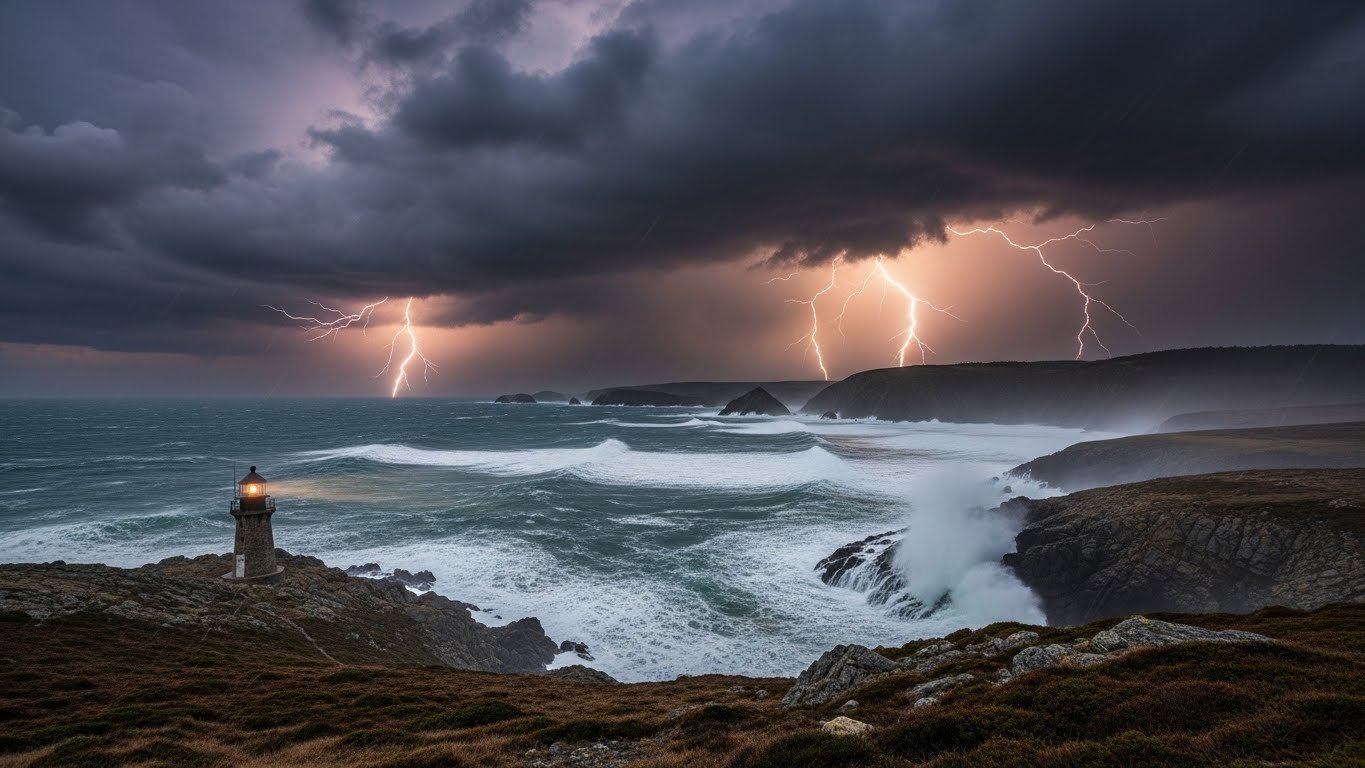
You’ve probably heard of the word stormuring and wondered what it means. It might sound dramatic, and honestly, it can be. Stormuring is a term that generally refers to intense weather changes—especially storms that form suddenly and bring strong winds, heavy rain, thunder, or lightning.
Some people use stormuring to describe a burst of wild weather that turns calm skies into chaos in just a few minutes. It combines the word “storm” with “murmuring,” pointing to how fast and often silent these changes can arrive. One moment the air may be still, and the next there’s a loud storm shaking trees and rattling windows.
In this article, we’ll explore what stormuring is, what causes it, how it affects our lives, and ways to get ready. Whether you’re a student, a weather geek, a worried homeowner, or just curious, you’ll find this guide helpful and easy to understand.
Let’s dive into everything you should know about the powerful and mysterious world of stormuring.
The Science Behind Stormuring
To understand stormuring, we need to look at what causes storms in general. Stormuring happens when weather conditions change very fast, usually due to a clash between cold and warm air. When these air masses meet, the pressure drops quickly, and clouds form fast. This creates a fertile ground for rain, wind, and even hail.
Most meteorologists believe stormuring may be related to:
- Low-pressure zones speeding up moisture buildup
- Sudden temperature drops or rises
- Shifting jet streams or strong wind currents
- Urban heat islands (hot cities trapping heat in layers)
The unusual thing about stormuring is its speed and unpredictability. Unlike typical thunderstorms that you may see coming on a weather app, storms caused by stormuring can pop up with little warning.
That’s why paying attention to strange winds, fast cloud movement, or sudden temperature drops can be a helpful sign that something is brewing in the sky.
What Does Stormuring Look Like?
So, how can you spot stormuring? Is it the same as a thunderstorm?
Not exactly. While regular storms often have clear visible build-up—dark clouds, weather warnings—stormuring moves faster and often looks unusual. Some common signs of stormuring include:
- A sudden drop in temperature
- Fast-moving clouds that change shape high up in the sky
- Gusty winds appearing without warning
- Electric-like feeling in the air (especially before lightning)
- Clouds that rotate or swirl in unexpected ways
- Sudden rain bursts or hail followed by silence
Stormuring tends to bring very dramatic effects in a short time. It’s like nature’s surprise attack. The sky may light up in ways that don’t follow regular weather patterns, leaving people wondering, “What just happened?”
Understanding these signs can help you respond better when stormuring strikes.
How Is Stormuring Different from Regular Storms?
You might be wondering, “Aren’t all storms the same?” Not quite.
A regular storm usually gives more warning. Weather forecasts can predict common storms when certain pressure levels, clouds, and humidity match known patterns.
Stormuring, however, is fast, unpredictable, and often misses early detection. Below is a quick breakdown:
| Feature | Regular Storm | Stormuring |
|---|---|---|
| Warning time | Hours to days | Minutes or none |
| Duration | 1-3 hours | 20-60 minutes |
| Behavior | More predictable | Erratic and fast-changing |
| Intensity | Can be steady | Usually high bursts and gusts |
| Impact | Local flooding, power outages | Quick damage, surprise danger |
While not all stormuring events are dangerous, the sudden nature makes them riskier than slow-moving storms.
What Areas Are Most Affected by Stormuring?
Stormuring can technically happen anywhere. But some areas are more prone because of their unique weather conditions.
Here are common zones:
- Midwestern U.S. states like Oklahoma, Kansas, and Missouri
- Southern U.S. coastal areas, especially near the Gulf of Mexico
- Urban cities with lots of concrete and little greenery
- Mountain valleys, where air pressure drops quickly
- Tropical and subtropical climates, where heat rises fast
Temperature swings, humidity, wind change, and even climate change make stormuring more frequent in certain locations. People in cities may notice more stormuring because tall buildings can also affect air flow, leading to turbulence.
Regardless of where you live, understanding your area’s weather patterns is the first step to preparing.
Is Stormuring Dangerous?

Stormuring is not always severe. Some events come and go with strong wind and rain—but no harm done. However, some evolve into serious risks.
Here’s what makes stormuring dangerous:
- Flash flooding from sudden downpours
- Falling tree limbs or loose objects during strong winds
- Power outages due to lightning or heavy rains
- Traffic accidents if drivers can’t react in time
- Roof or structure damage in strong bursts
- Hail or flying debris
Because stormuring can come without warning, people may get caught outside or be unprepared. That’s why learning the signs and having a storm safety plan is always a smart idea.
Common Myths About Stormuring
People often mix up stormuring with other storms, leading to confusion or fear. Let’s clear up a few common myths.
Myth 1: Stormuring only happens during hurricane season.
False. While hurricanes are big storms, stormuring is different. It can happen any time there’s unstable weather.
Myth 2: Stormuring always means a tornado is coming.
Not always. Rotating clouds can look scary, but they don’t always lead to tornadoes.
Myth 3: If the sky is blue, it’s fine.
Skies can turn dark very quickly during stormuring. A blue sky isn’t always a guarantee of clear weather.
Myth 4: You’re safe indoors no matter what.
Stormuring can cause power outages or structural problems. You still need to prepare your home.
Understanding the truth helps you approach stormuring calmly but carefully.
How to Prepare for Stormuring at Home
Preparation is the best defense. Since stormuring is fast, having a clear plan for your home and family is key.
Start with the basics:
- Check your roof and gutters regularly to avoid water leaks.
- Secure outdoor furniture or playsets to prevent wind damage.
- Keep flashlights and batteries ready in a drawer.
- Charge your phone fully if the clouds start rolling in.
- Have bottled water and snacks in case the power goes out.
- Stay updated by turning on the weather radio or app alerts.
Also, talk to your family about where to go inside if a strong storm hits. A hallway or basement is often the safest spot.
Staying Safe During a Stormuring Event
If you notice the signs of stormuring, take action fast.
- Get indoors immediately if you feel strong winds or sharp temperature drops.
- Avoid trees, open fields, and tall metal structures.
- Unplug electronics to protect them from power surges.
- Avoid taking showers or baths during lightning storms.
- Don’t drive unless it’s an emergency—visibility drops fast.
If you’re already inside, stay there until the storm fully passes. Even if the wind stops, lightning or hail can continue for several minutes after the main blast.
How Cities and Experts Track Stormuring
Meteorologists and weather experts use a mix of data, radar, and satellites to track stormuring. However, its quick-changing nature makes it tricky to catch early.
They look at:
- Sudden drops in air pressure
- Rapid wind changes in localized spots
- Ground-level temperature spikes followed by sharp drops
- Satellite images showing high cloud movement
Cities are starting to add smart sensors and lightning trackers to monitor these events better.
Still, because stormuring can develop quickly, regular forecasts may not always predict it. That’s why community awareness and neighborhood planning matter too.
How Climate Change Might Be Increasing Stormuring
Over the past decade, experts have observed more unexpected storm bursts and quick weather turns. Many believe that climate change plays a role in increasing stormuring.
As temperatures rise:
- Air carries more moisture, creating intense storms.
- Jet streams shift and wobble, making cold fronts behave unusually.
- Weather ecosystems that used to be predictable are now more chaotic.
Climate scientists use historical patterns to track changes. When sudden storms show up where they didn’t before—or happen more often—that’s a sign of disruption.
That’s another reason why learning about stormuring is important not just today, but for the future too.
FAQs
1. What does stormuring mean exactly?
Stormuring refers to sudden, intense, and often unpredictable weather changes causing storms or weather shocks.
2. Is stormuring a real scientific term?
Not yet commonly found in textbooks, but it’s used in modern media and by some local weather communities.
3. Can stormuring cause tornadoes or hurricanes?
It can lead to intense storms, but not all events turn into tornadoes or larger systems.
4. How can you tell stormuring is about to happen?
Look for fast cloud movement, sudden wind, pressure drops, or sharp temperature change.
5. Should I worry about stormuring where I live?
If you live in an area with wide weather swings or open fields, it’s good to stay informed.
6. How do I stay safe during a stormuring event?
Get indoors, stay away from windows, keep flashlights nearby, and avoid using electronic devices until it passes.
Conclusion
Stormuring may sound like just another weather buzzword, but it’s a growing reality in the age of quick climate shifts and unexpected storms. Whether you live in a big city or a small town, understanding stormuring helps you stay safe, protect your home, and react quickly when the skies change fast.
The more we learn and prepare, the better we do at handling sudden storms without panic. Stormuring is nature’s reminder that even the calmest skies can change in an instant.