Table of Contents
Introduction
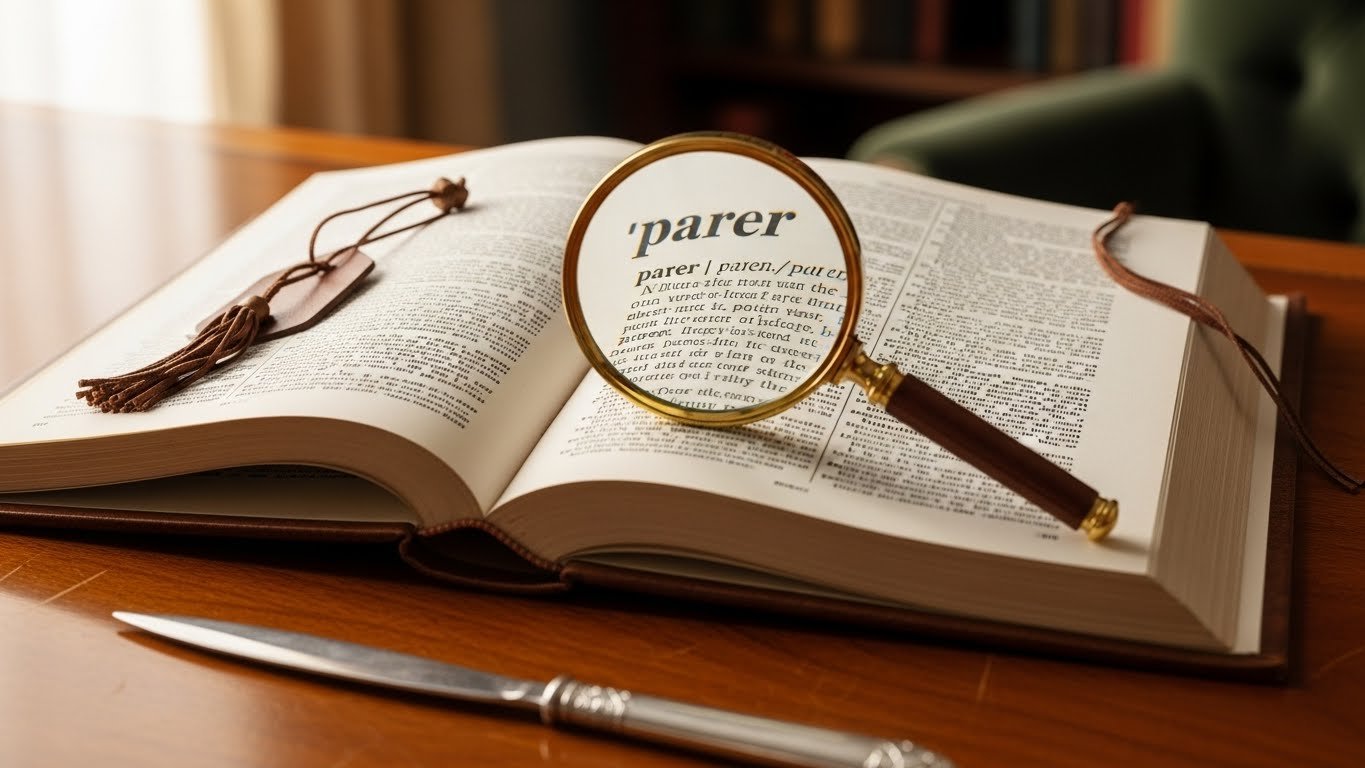
Ever heard someone mention a “parer” and wondered what it meant? You’re not alone! The word parer may sound unusual, but it’s actually simple. In fact, knowing the parer meaning can help in the kitchen, in writing, and even in everyday life.
The word “parer” can be used in different ways. Most often, it’s used as a noun to describe a tool—like a paring knife. But it can also be a verb meaning “to strip away” or “to remove something”—especially something small, like peeling fruit or trimming the edges of paper.
In this article, we’ll explore the full parer meaning, how it’s used in different settings, and why it’s helpful to know. Whether you’re learning English, shopping for kitchen tools, or just curious about words, you’ll find this guide useful.
Let’s get started by understanding this small but mighty word!
The Simple Definition: Parer Meaning in Everyday English
The most basic parer meaning is this:
A parer is a small tool used to trim, peel, or pare something down.
The word comes from the verb “to pare,” which means “to cut away a thin layer from something.” So, a parer is usually something that does that job. For example, a vegetable peeler or paring knife is called a parer in some households.
It’s also a word used to describe someone who pares—someone who removes or cuts away unnecessary parts, either literally or figuratively.
So, when someone says “pass me the parer,” they’re likely reaching for a peeling tool. But when a teacher says, “You need to pare down your essay,” they’re using the verb! In every case, the parer meaning stays close to the idea of making something smaller, cleaner, or simpler.
Parer Meaning in the Kitchen
In the culinary world, the parer meaning is most commonly linked to a paring knife. This small, sharp knife is used for peeling fruits and vegetables, slicing small foods, or removing seeds and blemishes. It’s often about precision, not power.
Here’s how cooks use kitchen parers:
- Peeling an apple
- Removing potato eyes
- Deveining shrimp
- Trimming small vegetables
- Making decorative cuts
A paring knife is an essential item for chefs and home cooks alike. Unlike larger knives, it allows control when working with small ingredients. That’s why understanding the parer meaning in the kitchen can lead to better cooking habits—and safer slicing, too!
Parer as a Verb: What It Means to Pare Something
Beyond tools, the word parer connects to the verb “to pare”, which means to trim or reduce something gradually. You don’t need a knife in hand to pare something down. It can also refer to cutting down material, ideas, or waste.
Here are some examples:
- “She pared the budget to reduce costs.”
- “The editor asked him to pare his article by 500 words.”
- “Please pare down your to-do list; it’s too long.”
So, in everyday conversation, people often use “pare” when they want to simplify or trim something unnecessary. That’s the broader sense of parer meaning—taking things down to what’s essential.
Parer Meaning in Writing and Editing
Writers and editors also use “pare” when talking about writing or content. If a paragraph is too long or detailed, an editor might pare it down to keep it simple. This kind of paring isn’t about knives—it’s about clarity.
Examples in writing:
- You might pare down a long title to make it catchier.
- Editors pare run-on sentences into shorter, tighter lines.
- A good writer knows how to pare a story without changing its message.
Understanding this side of the parer meaning can help writers become better communicators. Less can be more—even with words.
Historical and Language Roots of the Word “Parer”
Wondering where parer comes from? The word has French and Latin roots. It’s related to French words like parer, which means “to prepare or trim.” In Latin, parare means “to make ready.”
English adopted the word for tools and actions that cut, clean, or reduce. Over time, it became common in describing kitchen tasks and writing edits alike.
By learning the parer meaning, you also learn about how language evolves. It shows how one word can cross from cooking to communication—and still hold onto its original sense of cutting or trimming.
Different Types of Parers: Not Just One Kind
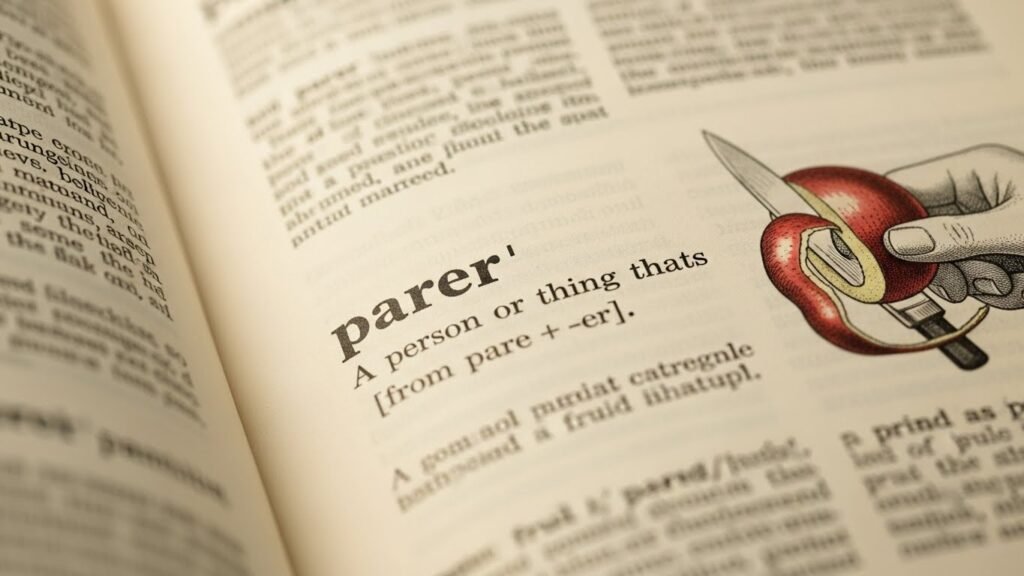
There isn’t just one type of parer. The parer meaning can point to a few simple tools used to peel or trim, depending on the task.
Most common types:
- Paring knife: Small blade, best for fruits and vegetables.
- Vegetable peeler: Often a Y-shaped tool to skin carrots or potatoes.
- Apple corer/parer: Special device used to remove cores and peel apples.
- Electric parers: Found in industrial or kitchen settings for faster peeling.
Each parer does the same core job—removing unwanted parts with care. Knowing the parer meaning helps you choose the right tool for your needs.
Is a Parer the Same as a Peeler?
This is a question many kitchen beginners ask: Is a parer the same as a peeler? The answer is: Sometimes, but not always.
- A peeler is a specific kind of parer, normally built to remove outer layers of veggies and fruits quickly.
- A parer can be a tool like a paring knife, which isn’t shaped like a peeler, but does a similar job.
In simple words, all peelers are parers, but not all parers are peelers.
Both are helpful tools for food prep, and understanding the small difference helps you get things done more efficiently in the kitchen.
Parer Meaning in Other Cultures and Languages
The parer meaning stays mostly the same in other languages, though different cultures use different tools or words. In French homes, you might hear “un couteau d’office” for a paring knife. In Spanish, you might use a “pelador” for a peeler.
In Indian kitchens, parers come in many forms—sometimes even handmade tools that serve the same purpose. Cultures around the world have developed methods of peeling, paring, and trimming using traditional tools.
Even though the tools might look different, the parer meaning—to remove the unnecessary or outer layer—remains the same wherever you go.
When to Use a Parer vs a Bigger Knife
Choosing between a small parer or a large chef’s knife depends on the task. If you need precision, the parer is your best choice.
Best times to choose a parer knife:
- Cutting strawberries or slicing small fruits
- Peeling apples or potatoes
- Deveining shrimp
- Removing bruises from produce
- Slicing garlic or chopping herbs
If you’re working with large vegetables or need to chop a lot at once, a chef’s knife is better. But when you need care and control, the parer is perfect.
This is why learning the parer meaning can actually make you a better home cook.
Tips to Use a Parer Safely
Small tools can be just as dangerous as big ones if you don’t use them properly. Here are some basic tips to keep in mind when using any kind of parer:
- Hold the food steady on a cutting board when peeling
- Always cut away from your fingers and body
- Keep the blade sharp—dull blades are actually more dangerous
- Don’t rush; precision tools need slow, steady movement
- Clean and dry your parer completely after using
Understanding the parer meaning includes knowing how to handle one safely. Protect your fingers and enjoy cooking more!
Caring for Your Kitchen Parer
A good parer can last for years if you care for it. Whether it’s a paring knife or simple peeler, here are a few things to do:
- Hand wash with warm, soapy water after each use
- Dry right away to avoid rust
- Store in a knife holder or drawer guard
- Sharpen paring knives regularly with a small sharpener
- Replace peelers when blades become dull or loose
By mastering both the parer meaning and care tips, you’ll always have a functional tool ready for your next kitchen task.
How “Paring” Applies to Other Areas of Life
The fun fact about parer meaning is that it shows up in many parts of life. You can pare down clothing to get ready for a trip. You might pare a budget to save money. You pare your to-do list to stay focused.
It’s all about simplifying—cutting out the extra. That’s what paring does. So, whether it’s a kitchen tool or a way of thinking, the idea remains useful and easy to understand.
By learning how to pare in daily life, you can reduce waste, save time, and feel more organized.
FAQs
What is the full parer meaning in one sentence?
A parer is a tool—or person—that trims, peels, or reduces something to its simplest form.
Is a parer different from a knife?
Yes. A parer is usually a smaller knife meant for precise tasks like peeling or trimming food.
Can “pare” be used as a verb in writing?
Absolutely. In writing, to pare means to cut away extra words or revise for clarity.
Are parers only used in the kitchen?
Mostly, yes—but the word “pare” is also used in daily life, budgeting, and editing.
Do I need a parer if I have a peeler?
It’s helpful to have both. A peeler is faster for skin removal, while a paring knife offers more control.
Is learning the parer meaning useful for kids?
Yes! It’s a simple vocabulary word that can help kids understand both tools and writing concepts.
Conclusion
The parer meaning may be easy to miss, but it helps in more ways than you’d expect. From slicing strawberries in the kitchen to cutting down clutter in your writing, it’s one small word with big power.
Knowing the meaning of parer teaches you how to trim, tidy, and tidy up—without ever feeling overwhelmed. Whether you use a tool or apply the verb in your daily habits, learning to pare things down has lasting value.
Now that you fully understand what a parer is, how it’s used, and why it matters—you’re ready to slice deeper into smarter choices in the kitchen, in writing, and in life.