Table of Contents
Introduction
Have you heard of koriandri You probably have, even if the name sounds a little new. Koriandri is another word for coriander, also known in some places as cilantro. It’s a green herb and seed that’s used in cooking around the world. But koriandri isn’t just tasty—it’s also packed with health benefits.
From adding flavor to dishes to supporting digestion and heart health, koriandri is an ancient plant that still works wonders today. You can eat the leaves, the seeds, or even use the oil. It’s used in Indian curries, Mexican tacos, Thai soups, and more. It’s also used in herbal remedies, teas, and essential oils.
In this easy-to-read guide, we’ll explore everything you need to know about koriandri—what it is, why it’s beneficial, and how to use it. We’ll look at real-world uses, practical tips, and the science behind this everyday super herb.
Let’s dive into the world of koriandri and discover why it’s more than just a garnish on your plate.
What Is Koriandri?
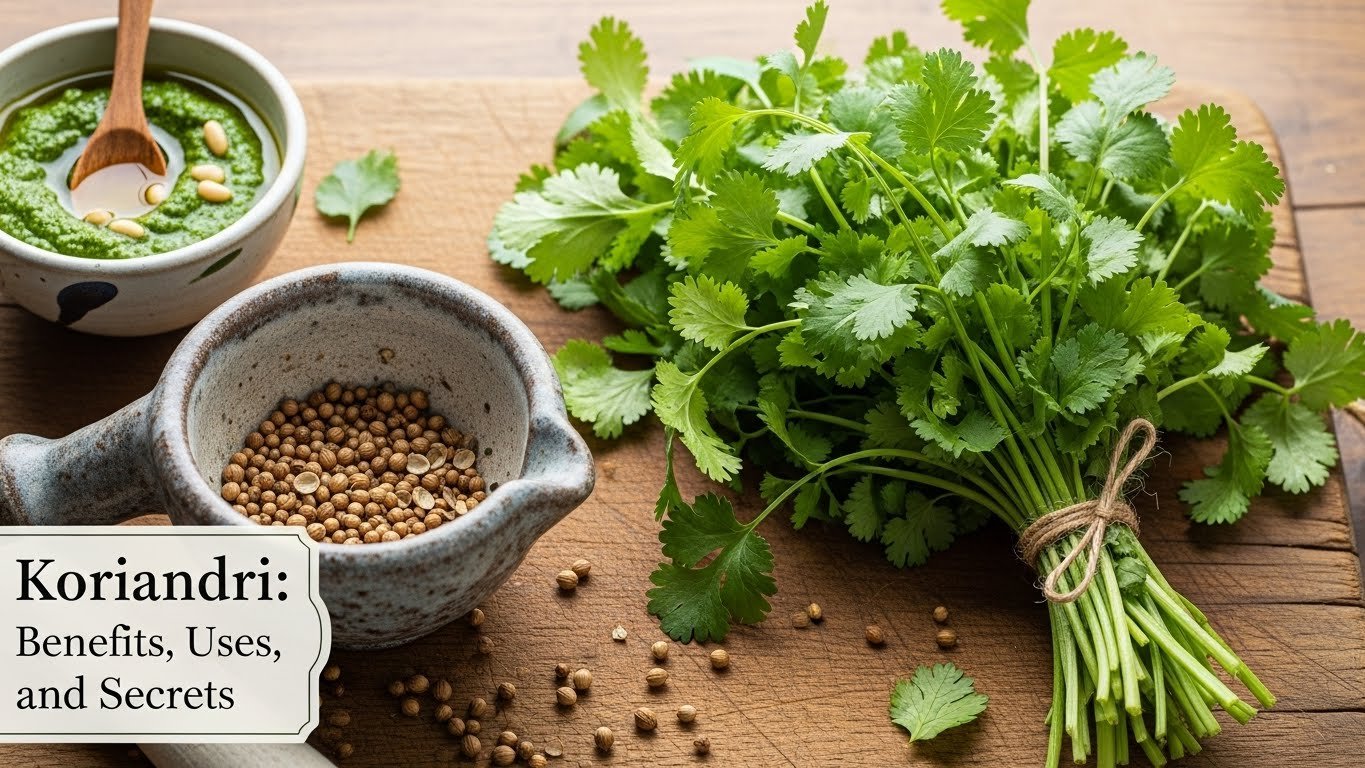
Koriandri, also spelled coriander, is a plant used for both its leaves and seeds. The leaves are known as cilantro in some parts of the world, and the seeds are commonly dried and ground into a spice. The entire plant is edible and packed with flavor.
This herb belongs to the parsley family and has been used for over 5,000 years in both cooking and medicine. It grows in many places, including Asia, North Africa, and the Mediterranean.
Koriandri adds a bright, citrusy flavor to food. The seeds taste more warm and nutty. The fresh leaves are great in salads, soups, and salsas. The ground seeds are often used in spice blends, like garam masala or curry powder.
Whether you call it coriander, cilantro, or koriandri, one thing is clear—it’s a plant that’s both flavorful and healing.
Nutritional Value of Koriandri
Koriandri is small but mighty. It contains vitamins, minerals, and antioxidants that your body needs. It’s low in calories but full of goodness. Eating even a little each day can help support your health.
Here’s what you get from koriandri:
- Vitamin C – Keeps your immune system strong
- Vitamin K – Helps with bone health and blood clotting
- Vitamin A – Supports eye and skin health
- Iron – Important for healthy blood
- Potassium – Keeps your heart and muscles working well
- Fiber – Supports digestion and keeps you full
Koriandri also has antioxidant compounds and plant-based oils that may reduce inflammation. It’s a great example of how natural foods can be healing.
Adding fresh leaves or seeds to your meals is a simple way to boost your daily nutrition without extra effort.
Koriandri for Digestive Support
One of the oldest uses of koriandri is to help with digestion. Many traditional healers and herbal experts recommend koriandri for stomach problems.
The seeds are known to reduce gas, bloating, and cramps. Drinking a tea made from boiled koriandri seeds can help a lot when your stomach feels upset.
Koriandri also stimulates the production of digestive enzymes. That means food breaks down better, and nutrients absorb faster. People with indigestion or slow digestions often feel better after adding more koriandri to their meals.
If you’ve ever had a heavy or spicy meal, try chewing a few roasted coriander seeds afterward. It’s an easy, natural way to support your gut without any harsh chemicals.
Heart Health and Koriandri
Can an herb as simple as koriandri help your heart? Yes! Studies suggest koriandri may play a role in keeping the heart healthy and strong.
The natural oils in koriandri seeds may help lower bad cholesterol (LDL) while increasing good cholesterol (HDL). It might also help reduce blood pressure by relaxing blood vessels.
Koriandri is also rich in antioxidants. These compounds help prevent damage to the heart and blood vessels from stress and aging. The potassium in koriandri works to support a steady heartbeat.
Want to support your heart naturally? Try adding a teaspoon of crushed koriandri seeds to your meals or drink coriander seed tea a few times a week.
Koriandri for Diabetes and Blood Sugar Control
Managing blood sugar is important for many people, especially those with diabetes. Some research shows koriandri seeds may help balance blood sugar levels naturally.
Koriandri contains compounds that may boost insulin activity. That helps move sugar from your blood into your cells, where it’s used for energy.
In traditional Indian medicine (Ayurveda), koriandri seed water is often given in the morning to support steady blood sugar. To make it, just soak one teaspoon of seeds in a glass of water overnight and drink it in the morning on an empty stomach.
While koriandri is not a replacement for medication, it may be a gentle and helpful support when used alongside a healthy diet and exercise plan.
Skin Benefits of Koriandri
Did you know koriandri can help your skin glow? It’s true! This amazing herb can calm irritated skin and support a clean, clear look.
Koriandri is full of antioxidants and vitamin C, which protect your skin from pollution and sun damage. Its anti-inflammatory effects may also help with acne and redness.
Many people use coriandri juice or paste on the face as a natural cooling face mask. It’s known to soothe sunburn, reduce oil, and clean pores.
Here’s a quick DIY mask:
- Blend fresh koriandri leaves
- Mix with a pinch of turmeric powder
- Apply to face for 10–15 minutes
- Rinse with warm water
Fresh koriandri juice is also great when applied to itchy skin, bug bites, or heat rash. It’s a great example of beauty straight from your garden or kitchen.
Koriandri in Cooking: A Flavor Booster for Any Meal
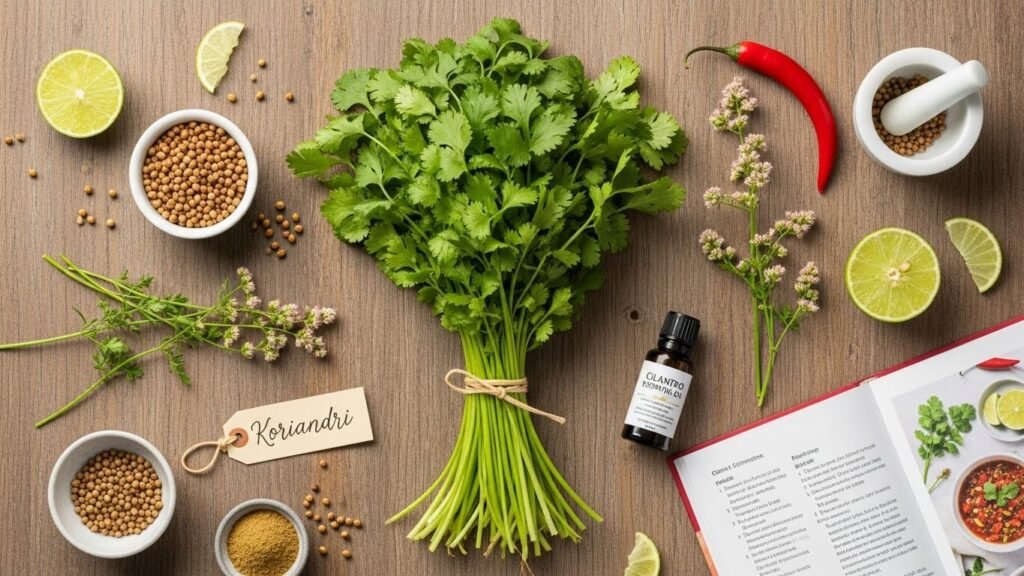
Koriandri is more than healthy—it’s incredibly tasty! The herb adds fresh flavor, and the seeds bring warmth to any dish.
The leaves (cilantro) are used in:
- Salsas and guacamole
- Curries and chutneys
- Soups and stews
- Salads and rice bowls
The seeds are best used:
- Toasted and crushed in spice mixes
- Added to pickles or marinades
- Mixed into lentil and vegetable dishes
For maximum flavor, roast koriandri seeds on a dry pan until they pop. This brings out a nutty, sweet aroma that adds depth to recipes from all over the world.
So the next time your recipe feels boring, just sprinkle in some koriandri—fresh or toasted—and taste the difference.
How to Use Koriandri as a Tea or Tonic
One of the simplest and most traditional ways to enjoy koriandri is as a warm tea. Coriander tea is calming and helps with digestion, skin, and immunity.
Here’s how to make it:
- Boil 1–2 teaspoons of koriandri seeds in 2 cups of water
- Simmer for 10 minutes
- Strain and enjoy warm
- Add lemon or honey if you like
This tea can soothe bloating, fight infections, and help you relax. Some people drink it after meals, while others enjoy it in the morning.
You can also blend koriandri tea with other herbs like cumin and fennel seeds to make a traditional Indian digestive drink called “herbal water” or “Ayurvedic detox water.”
Drinking koriandri water daily may help cleanse your system gently, without harsh chemicals or extreme diets.
Is Koriandri Safe? Possible Side Effects
While koriandri is usually very safe, everyone’s body is different. Some people may have side effects, especially if they use too much.
Possible side effects include:
- Allergic reactions (especially for people who are allergic to plants like parsley or celery)
- Skin rash with heavy amounts of fresh leaves
- Stomach discomfort if taken in large amounts or too strong
- Drowsiness in very large doses
If you’re pregnant, breastfeeding, or on medication for blood sugar or blood pressure, it’s smart to ask your doctor before using larger doses of koriandri.
Starting small is always safe. A sprinkle of seeds or a few leaves go a long way.
How to Grow Fresh Koriandri at Home
Good news—koriandri is super easy to grow, even in small spaces. You can grow it in pots, windowsills, or your backyard garden.
Steps to grow koriandri:
- Choose a pot or space with sun (4–5 hours daily)
- Use well-draining soil
- Sprinkle whole koriandri seeds (soaked overnight)
- Cover with a thin layer of soil
- Water daily but don’t overwater
You’ll see shoots in about 7–10 days. You can harvest the leaves at 2–3 weeks and the seeds at 6–8 weeks.
Freshly grown koriandri tastes better, smells stronger, and has the most nutrients—plus, it saves money and avoids pesticides.
FAQs
1. Is koriandri the same as cilantro?
Yes. Koriandri refers to the plant. The leaves are called cilantro in some places, and the seeds are called coriander.
2. Can I use koriandri seeds and leaves in the same dish?
Yes! Many dishes use both. The seeds add depth, while the leaves give freshness.
3. Does koriandri really help digestion?
Yes. It’s been used for years to ease gas, bloating, and upset stomach.
4. Is koriandri good for weight loss?
It may help reduce appetite and promote better digestion, but it works best as part of a healthy lifestyle.
5. How should I store koriandri seeds and leaves?
Keep seeds dry in a sealed jar. Keep leaves in the fridge wrapped in paper towels or grow them fresh.
6. Can kids eat koriandri?
Yes, in food amounts. Koriandri is safe for kids and often used in home-cooked meals for the whole family.
Conclusion
Koriandri isn’t just a spice. It’s a natural healer, a flavor booster, and a plant with real power. Whether you’re cooking soup, sipping tea, or caring for your skin, koriandri fits into your life easily.
From ancient traditions to modern kitchens, koriandri continues to support health, taste, and wellness in one tiny package. It’s a smart, simple way to eat better, feel better, and live more naturally.