Introduction
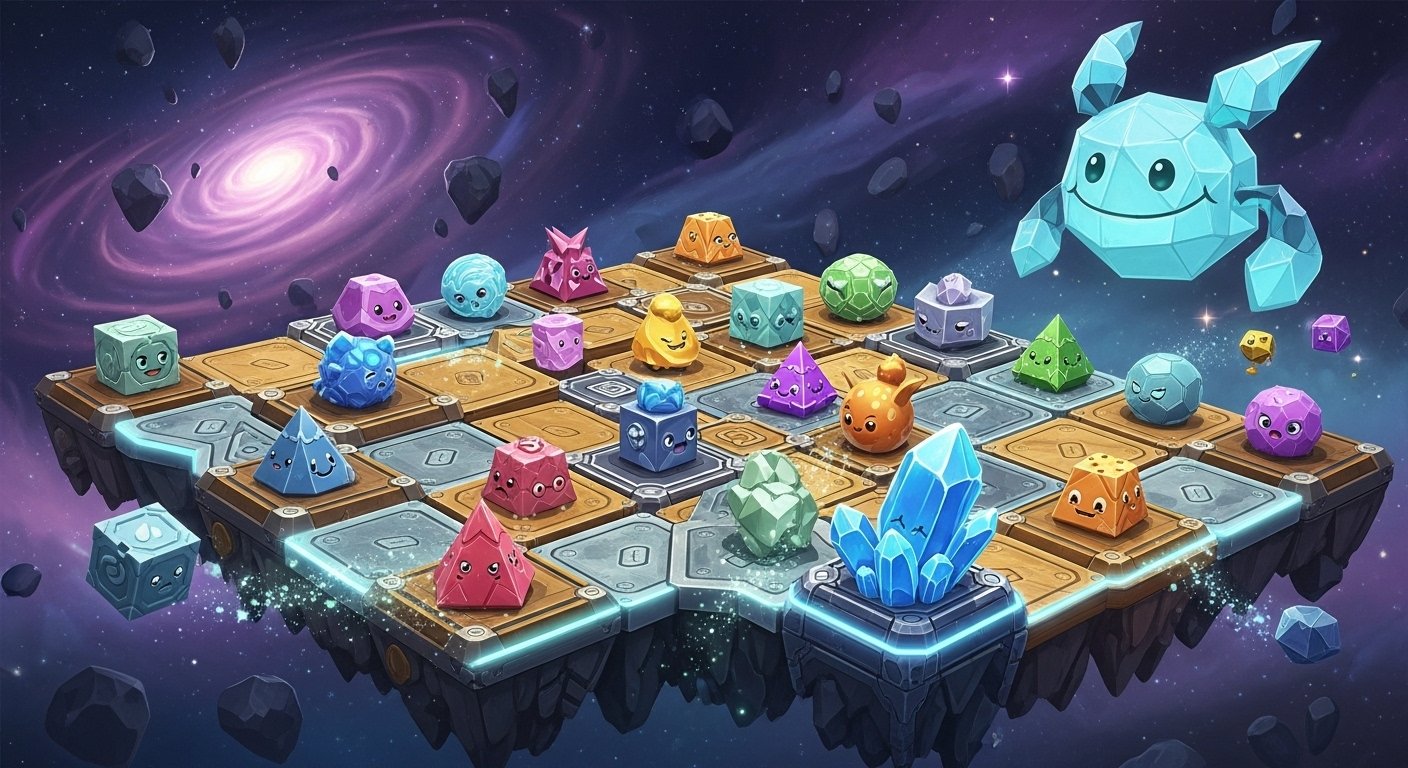
If someone told you that math could be fun, would you believe them? For most kids (and even adults), the word “geometry” often sounds boring or hard. But what if learning about shapes, angles, and patterns felt more like playing a game than doing homework? That’s exactly what geometry spot games are here to do.
Geometry spot games are simple, fun, and interactive games designed to help people learn geometry by playing. These games turn math into a fun activity without feeling like schoolwork. Instead of working out tough problems with a pencil, you look for patterns, match shapes, or solve puzzles—all while having fun.
Whether you’re a student, teacher, or parent, geometry spot games can make understanding math easier and way more enjoyable.
This guide will introduce you to everything you need to know about geometry spot games. From what they are, where to find them, how they work, to why they help so much—we’re going to break it all down in a simple, friendly way.
Let’s jump in and explore the geometry world the fun way!
What Exactly Are Geometry Spot Games?
Geometry spot games are online or printable games that help people learn shapes, angles, and spatial relationships. They come in many forms—puzzle games, matching games, spot-the-difference games, and more. The goal is to spot patterns, shapes, or changes using logic and observation.
For example, a game might show you two pictures and ask what’s different between them. Another one might display a grid of shapes and ask you to find the triangle or identify the shape that doesn’t belong. These small games often feel like brain teasers, but they’re actually teaching math.
Teachers love them because they reinforce classroom lessons. Kids love them because they don’t feel like studying. And parents love them because learning happens quietly while their child plays.
If you’re not a fan of regular math work, geometry spot games might be the answer you’ve been looking for.
Why Geometry Spot Games Help Kids Learn
Most kids learn best when they are having fun. Geometry spot games take this idea and run with it. Instead of memorizing definitions or formulas, kids learn by doing. They match, count, search, and think—all while solving problems with shapes.
These games engage different parts of the brain. They build focus, memory, and spatial reasoning. Kids begin to understand how shapes work together and how geometry appears in real life.
Have you ever heard a child ask, “When will I ever use this?” Geometry spot games show them the answer. By connecting math to visuals, the games teach without pressure.
That’s why students often remember more from one good game session than a whole math lesson.
Types of Geometry Spot Games You Can Play
There isn’t just one kind of geometry spot game. That’s what makes them so exciting! There are many types, and each one helps in different ways. Here are some popular kinds:
- Spot-the-shape games – You look at a picture and find a certain shape (like circles or triangles).
- Find the difference – Two images are nearly the same. Your job is to spot what’s changed.
- Matching shapes – Move or match similar shapes until they fit or disappear.
- Symmetry puzzles – Trace or match shapes that are mirror images.
- Level-based logic games – Complete a visual challenge to move to the next level.
Whether it’s a fast-paced game or a quiet puzzle, there’s a geometry spot game that fits your style.
Geometry Spot Games for Classroom Learning
Teachers love using geometry spot games in classrooms because they make lessons more exciting. You don’t need a lot of high-tech tools either. All you need is a computer, tablet, or even printed game cards.
These games can be used during math time, group learning, or even as fun break-time activities. Teachers can also use them to help students who struggle with traditional learning. It’s much easier to learn about right angles when you’re finding them in a game!
In group play, students can work together to find patterns or solve puzzles. This not only teaches geometry, but also builds teamwork, communication, and critical thinking—all at once.
If you’re a teacher looking for fresh ways to teach geometry, try adding a few spot games to your next lesson.
Best Geometry Spot Games Available Online
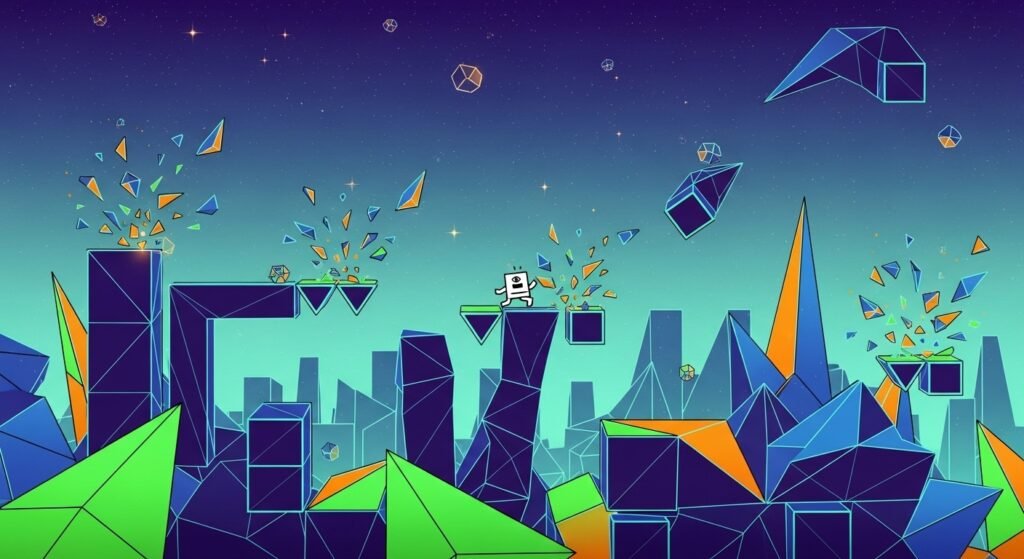
Now let’s talk about where to find some of the best geometry spot games online. Many great resources are free and easy to use. You don’t need to log in or download anything.
Some popular websites include:
- Cool Math Games – Offers a variety of interactive geometry puzzles.
- ABCya – Perfect for younger students, packed with shape games.
- Math Playground – Great for logic and geometry games for all grade levels.
- Kahoot and Blooket – Fun for group quiz-style games with a geometry focus.
- Geometry Spot (sometimes found on school Chromebooks or educational links) – This is a newer trend of geometry-based games popular among students for quick and fun shape spotting.
You can also find mobile apps with similar features. Look in the education or puzzle section of app stores.
Just remember to choose age-appropriate games and check if they align with what your child is learning in school.
How to Make Your Own Geometry Spot Game at Home
Did you know you can create your own geometry spot games at home? It’s fun and can be a great family or classroom activity.
You can start by drawing two similar pictures and changing 5-8 small things. Use simple shapes like circles, triangles, and squares. Then ask someone else to “spot” the changes.
Another activity is to cut out paper shapes and play a matching game. Or challenge each other to build a shape scene that includes at least one square, three triangles, and two circles.
Parents and teachers can print shape cards and create bingo games, matching games, or scavenger hunts where kids have to find shapes around the house or classroom.
Homemade games add a creative twist and help kids think in new ways—plus they’re screen-free!
Geometry Spot Games for Different Age Levels
One awesome thing about geometry spot games is that they work for all ages. Whether it’s a preschool activity or a middle school brain teaser, there’s a way to make it work.
Preschoolers can start with basic “find the shape” games using color blocks or matching cards.
Kindergartners and first graders can work on identifying shapes and building patterns.
Second to fourth graders can begin doing puzzles with angles, symmetry, and transformations.
Older students can dig into grid games, logic puzzles, or more detailed spot-the-difference challenges with tricky patterns.
No matter your grade, there’s a geometry spot game to match your brain power and help you grow.
Geometry Spot Games Build Concentration and Focus
Besides helping with math, geometry spot games also improve focus and attention. These games require players to look carefully at shapes, remember details, and stay concentrated.
Kids who have trouble staying focused during math lessons often do better with games. It feels like fun, so their brain stays locked in. Plus, each game keeps them thinking, spotting, and solving.
Over time, students playing frequently begin to show stronger observation skills, better logic, and even faster problem-solving in all subjects—not just geometry.
It’s no surprise many learning specialists use visual games to support students who need extra help.
Using Geometry Spot Games at Home for Fun and Learning
Parents don’t need to be math geniuses to help their children learn. By using simple geometry spot games, parents can turn after-school time into fun learning time.
Set a timer for 10–15 minutes and let your child play 1–2 shape games after homework. Not only will it feel like a reward, but the child will also get extra practice without knowing it.
Families can also play together, spotting shapes during car rides, while shopping, or simply walking outside. “I spy with my little eye: something that looks like a triangle!”
Turning normal life into a game makes learning a daily adventure.
The Social and Mental Benefits of Geometry Spot Games
People often think of math as only about numbers. But geometry spot games also help build important social and thinking skills.
Kids learn how to work in teams. They get better at explaining what they see. They also learn patience and how to think through mistakes without feeling bad.
Spot games are also great for the brain. They help with memory, pattern recognition, and solving puzzles. All of these skills are useful in everyday life—from reading maps to playing sports or building things.
So even if you don’t love math, you still gain a lot by playing these games.
FAQs
What are geometry spot games?
They are fun, shape-based games where you find, match, or identify shapes, angles, or patterns.
Are geometry spot games good for learning?
Yes! They help kids practice geometry, think logically, and learn math without pressure.
Can adults play geometry spot games too?
Absolutely. Many games are designed for all ages and can build focus and memory in adults too.
Are these games available online for free?
Yes, many websites offer free geometry spot games. Just choose ones that match your learning level.
Can I make geometry spot games myself?
Yes! You can draw puzzles, make shape cards, or create a scavenger hunt using shapes.
How often should kids play geometry spot games?
Even 10–15 minutes per day can help build skills. Play regularly without making it feel like “work.”
Conclusion
Learning should never feel scary or boring, especially when it comes to math. With geometry spot games, students and even adults can enjoy learning while having fun. Whether you play online, print activities, or create your own games, geometry becomes exciting—not frustrating.
These games aren’t just good for math—they boost creativity, focus, memory, and teamwork too. That’s what makes them a powerful learning tool.
So next time you’re looking for something fun and educational to do, give a geometry spot game a try. You might be surprised at how much you enjoy math when it’s delivered in game form.