Table of Contents
Introduction
fisetinLet’s talk about something that might help you feel better and live longer. It’s called fisetin. It may sound like a funny word, but it’s gaining a lot of attention for good reason.
Fisetin is a natural compound found in certain fruits and vegetables. You might be eating it already without even knowing! Scientists are excited about fisetin because it may help your body in many ways—from brain health to fighting aging.
In this article, we’ll explain fisetin in a simple, friendly way. You’ll learn what it is, where to find it, what the research says, and how it may help your overall health. Whether you’re looking to boost your memory, protect your heart, or age gracefully, fisetin might be a small piece of a much bigger picture.
Let’s explore how this simple plant compound could offer some mighty benefits.
What Exactly Is Fisetin?
Fisetin is something called a flavonoid. Flavonoids are plant chemicals that help our cells stay strong. Think of them like natural shields that protect plants from damage—and they may do something similar in our bodies.
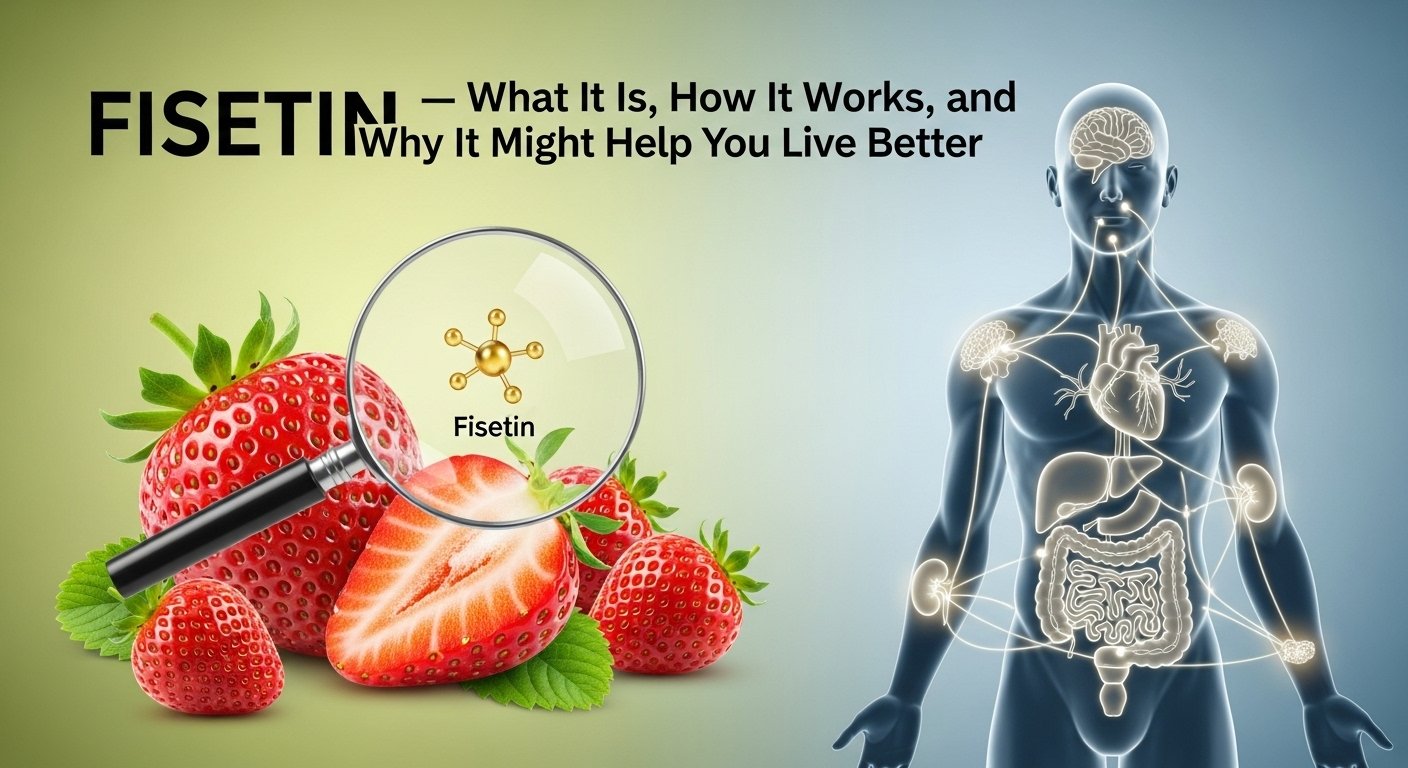
Fisetin is found in many colorful fruits and vegetables. It comes from foods like strawberries, apples, onions, and cucumbers. It gives these plants their bright color and may also protect them from stress, bugs, and disease.
When we eat these foods, our bodies absorb fisetin. Once inside, fisetin may go to work in our brains, cells, and blood. That’s where the magic happens. Scientists say fisetin might help with memory, inflammation, aging, and more. That’s why it’s becoming so popular in wellness and longevity communities.
Which Foods Have the Most Fisetin?
The best part? You don’t need a fancy pill to get fisetin—although those are available too. Many common fruits and veggies provide it just by being on your plate!
Here are some of the top fisetin-rich foods:
- Strawberries (highest amount of all!)
- Apples
- Onions
- Grapes
- Cucumbers (with the skin)
- Kiwis
- Persimmons
- Tomatoes
Of course, levels vary depending on how fresh the food is and how it’s cooked. Still, simply eating more of these colorful foods can help you get some fisetin naturally. If that’s hard, supplements are another option—but more on that later.
How Does Fisetin Work in the Body?
Think of your body like a big city. Over time, parts of it wear down. Some cells grow old and stop working. These “zombie cells” just hang around, causing trouble and making us feel tired, sore, or sick.
This is where fisetin steps in. Studies suggest that fisetin may clear out these old cells. It’s known as a senolytic, a fancy word that means it helps the body destroy senescent (aged and non-working) cells. This may allow younger, healthier cells to grow better.
Fisetin may also work as an antioxidant, which means it fights off harmful molecules called free radicals. These free radicals can damage DNA, proteins, and cells. By clearing them out, fisetin helps protect your body from stress, aging, and disease.
Can Fisetin Help with Brain Health?
One of the most exciting parts of fisetin research is how it may protect the brain. In animal studies, fisetin has been shown to improve memory, thinking, and brain function. Scientists believe it may:
- Protect brain cells from damage
- Improve connections between brain cells
- Lower inflammation in the brain
- Support long-term memory
Some studies even suggest fisetin might help fight diseases like Alzheimer’s and Parkinson’s, although human research is still early. While we can’t say fisetin cures anything, it could be one part of a brain-friendly diet and lifestyle.
If you’re looking for a natural way to help your brain stay strong, fisetin may be worth exploring.
Could Fisetin Help You Age More Gracefully?
Getting older is a natural part of life. But wouldn’t it be great to grow older while still feeling good, moving easily, and staying sharp?
That’s one reason why fisetin is getting attention in anti-aging circles. Because it may help clear out old cells and reduce inflammation, fisetin might slow down some signs of aging. These effects have been seen in mice and other lab models.
In fact, one study from the Mayo Clinic showed that fisetin extended the lifespan of mice and improved their health during aging. It’s not proven in humans yet, but the early results are promising.
If future research keeps showing benefits, fisetin could become one of the most trusted natural tools for healthy aging.
Does Fisetin Help With Inflammation?
Inflammation is how your body heals itself when you’re hurt or sick. But too much inflammation, especially the long-term kind, can lead to problems like arthritis, heart disease, and even cancer.
That’s why fisetin stands out. It’s known to lower levels of inflammatory compounds in the body. Research suggests that:
- It may help with swelling and joint pain
- It might reduce inflammation in brain and heart tissues
- It could help with chronic conditions linked to inflammation
By calming down inflammation, fisetin might help people feel better, move easier, and avoid long-term health issues. Adding it to your health plan—even through food—can be a smart choice.
Can Fisetin Support Heart Health?
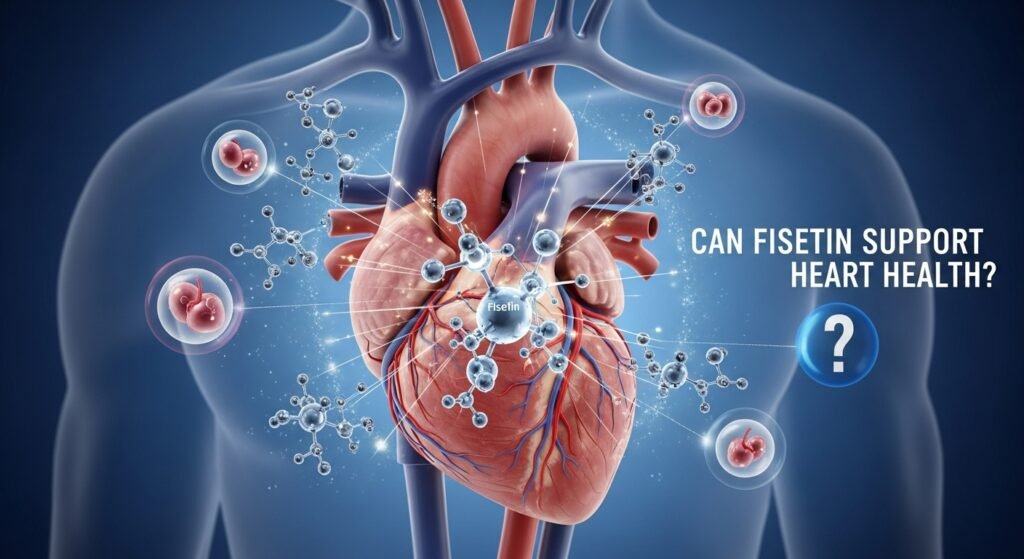
Your heart works hard every day, so keeping it healthy is a top goal—especially as we age. New research shows that fisetin may play a role in protecting the heart in a few big ways.
Here’s what scientists have found:
- Fisetin helps fight inflammation that may damage blood vessels
- It supports healthy blood sugar and cholesterol levels
- It improves blood flow, especially during physical activity
- It lowers oxidative stress, which damages heart tissues
While more large human studies are needed, the early research points to fisetin as a natural helper for heart health. As always, a balanced diet, regular exercise, and lower stress are important—but fisetin might give you a helpful boost too.
Is Fisetin Good for the Immune System?
Keeping your immune system strong helps you stay protected from colds, flu, and more severe illness. Since fisetin helps lower inflammation and clear old cells, it may also support the immune system.
Some research suggests that fisetin might:
- Help immune cells work more efficiently
- Protect tissues from inflammation-related damage
- Prevent the body from attacking itself (autoimmune response)
- Reduce allergic reactions
This wide range of benefits shows that fisetin is more than a one-trick pony. While it’s not meant as a treatment on its own, it can be part of a daily wellness routine to help your body respond to challenges more effectively.
Fisetin Supplements: Should You Try Them?
Eating fisetin-rich food is great, but it might not be enough to reach the high amounts used in research. That’s where fisetin supplements come in.
Most supplements come in capsule form and contain between 100 mg to 500 mg of fisetin per serving. Some products combine fisetin with other ingredients like quercetin, magnesium, or vitamin C to support better absorption.
Things to keep in mind:
- Always follow the directions on the label
- Don’t take more than recommended
- Check with your doctor if you take any medications
- Look for brands with third-party testing for purity and safety
While supplements are not a magical fix, many people feel they help with clarity, mood, and inflammation. If you’re curious, start with a trusted brand and track how you feel.
Is Fisetin Safe? Any Side Effects?
For most people, fisetin appears to be very safe when used as directed—especially when it comes from foods. However, like any supplement, there are a few things to know.
Common side effects (rare but possible):
- Upset stomach
- Nausea or cramping
- Headache
- Allergic reaction (if you’re sensitive to certain plants)
These effects are not common and often happen when too much fisetin is taken at once. If you’re concerned, talk to your doctor before starting a new supplement, especially if you have medical conditions or are pregnant or breastfeeding.
Your body knows what’s best, so listen to it and make changes that feel right for you.
What Does Science Still Need to Figure Out?
Even though fisetin looks helpful, we still need more answers. Most of the exciting results we know about come from animal and cell studies. These are helpful for understanding how fisetin works, but people are more complex!
Here’s what researchers are still studying:
- Best dosage for humans
- Long-term safety in high amounts
- How fisetin interacts with other supplements or medicines
- Stronger proof of benefits in human trials
That said, fisetin shows more promise than many other flavonoids. Scientists are continuing to test new uses—from cancer to skin health. So far, things look bright for the future of fisetin research!
FAQs
1. How much fisetin should I take every day?
There’s no official daily amount yet, but many supplements range from 100 mg to 500 mg. It’s always best to start small and ask your doctor.
2. Can kids take fisetin?
Right now, most studies are for adults. Ask a pediatrician before giving fisetin to a child.
3. What’s the best time to take fisetin?
Most people take it with food for better absorption. Morning or afternoon works well.
4. Is fisetin better than other antioxidants?
It’s different. Fisetin has unique senolytic properties, which some antioxidants don’t. But it’s not about “better”—just what your body needs.
5. Can I just eat fruits with fisetin instead of taking pills?
Yes! Foods like strawberries and apples are a delicious way to enjoy fisetin. Though amounts are smaller than in supplements, a healthy diet adds up over time.
6. Is fisetin approved by the FDA?
Fisetin is sold as a dietary supplement, not a medicine. The FDA does not officially approve supplements like they do with drugs.
Conclusion
Fisetin might be tiny, but it packs a punch! This amazing plant compound could help with inflammation, aging, memory, and more. Whether you’re looking to protect your brain, support your immune system, or just feel better every day, fisetin might just be a helpful tool.
As with anything, balance is key. You don’t need to overhaul your life overnight. Adding fisetin-rich foods or low-dose supplements could be a smart, easy step toward healthy living.
The beauty of fisetin is that it’s simple and natural. It’s already hiding in your fridge—in a handful of strawberries, an apple crunch, or a side of onions. Or, if you want more, a quality supplement might offer extra support.
Have you tried fisetin? Are you curious about adding it to your wellness routine? Share your thoughts, tips, or questions in the comments and let’s learn together.