Table of Contents
Introduction
Flying is usually smooth and routine. But once in a while, something unexpected happens. That’s exactly what occurred with British Airways emergency flight BA286—a flight that left passengers confused, worried, and searching for answers.
On what seemed like a normal evening, BA286 took off from San Francisco, bound for London’s Heathrow Airport. The passengers onboard expected a long but peaceful journey. However, instead of arriving in London, the plane made an unplanned and urgent return. Suddenly, BA286 became the center of attention, not for a successful journey, but for an unexpected emergency.
In this article, we’ll explain in easy terms what happened during British Airways emergency flight BA286, why the plane turned around, how crews handled the event, and what passengers experienced. We’ll also share useful flying tips, explore how airlines manage mid-flight emergencies, and show how events like this help improve future travel safety.
Let’s take an inside look at what really happened with this high-profile emergency flight and learn from it together.
What Is British Airways Flight BA286?
British Airways flight BA286 is a regular passenger service that flies from San Francisco International Airport (SFO) in the United States to London Heathrow Airport (LHR) in the United Kingdom. It’s operated by British Airways, one of the oldest and most trusted airlines in the world.
Flight BA286 usually travels overnight. Most often, it crosses the Atlantic while passengers sleep, landing in London the following morning. It’s a busy route used by business travelers, tourists, students, and families. Usually, it’s a smooth journey lasting around 10 hours.
But in one recent case, British Airways emergency flight BA286 made headlines—and not because of delays or bad weather. Instead, it turned back mid-air, triggering concern for everyone on board.
What Happened During British Airways Emergency Flight BA286?
On a recent flight from San Francisco to London, BA286 experienced an in-flight emergency. About 90 minutes after takeoff, the aircraft unexpectedly turned around and headed back to its departure city. Instead of flying all the way to London, the crew made the decision to return to San Francisco.
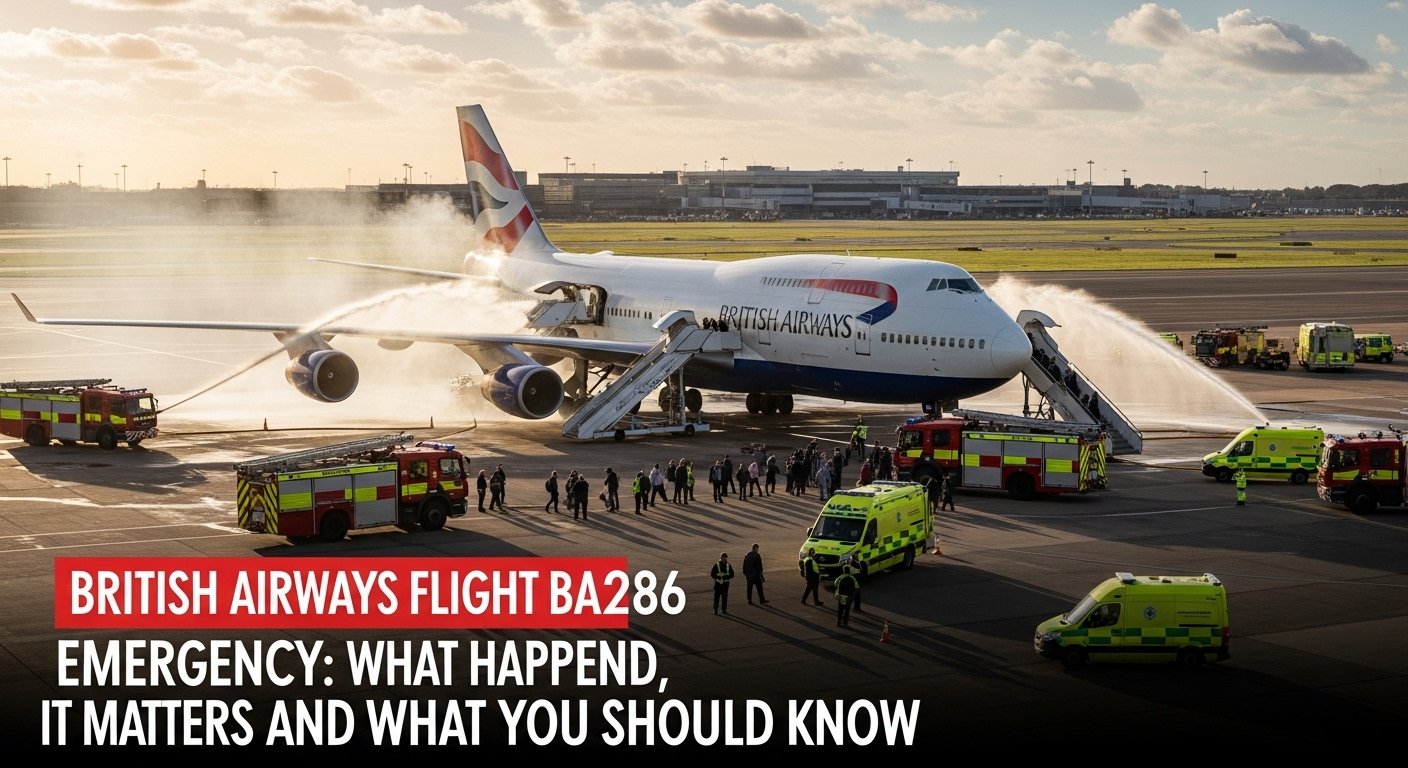
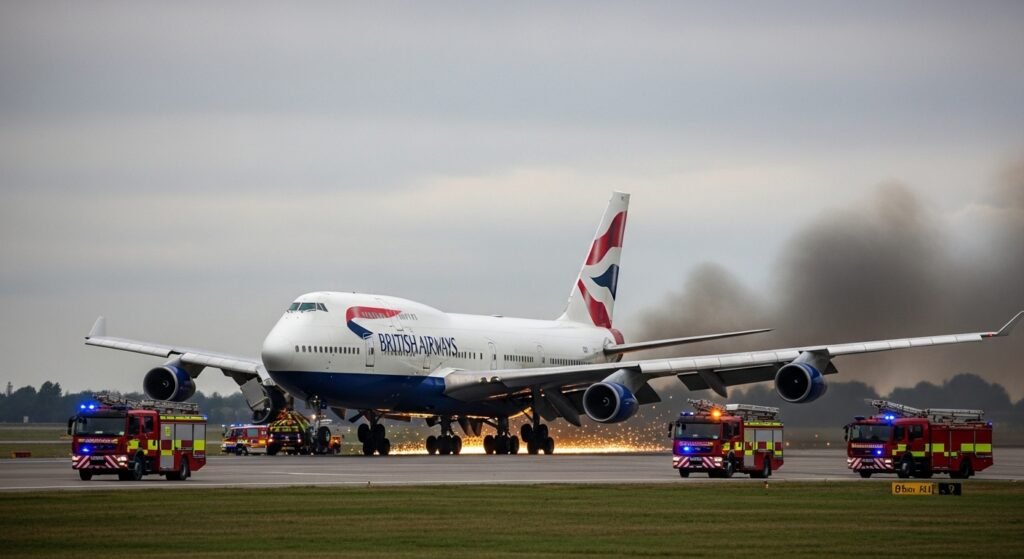
Reports later confirmed that the pilots discovered a mechanical issue or potential technical fault. Though the specific cause wasn’t fully released, it was serious enough to trigger emergency protocols. The plane safely landed back at SFO, where emergency services were already waiting on the runway as a precaution.
Thankfully, the emergency was handled calmly, with no injuries reported. Passengers were able to leave the plane safely and were rebooked on later flights.
Why Pilots Choose to Turn Planes Around
When you hear the words “emergency flight,” it’s normal to feel nervous. But turning around is sometimes the safest possible option. Pilots are trained to make these decisions carefully. In the case of British Airways emergency flight BA286, the risk likely became greater than continuing the journey.
Reasons planes turn back include:
- Engine warnings or loss of function
- Strange smells (like smoke or fuel) inside the cabin
- Landing gear or hydraulic system issues
- Communication system failure
- Passenger medical emergencies
In any of these situations, pilots follow strict checklists and talk to air traffic control. They may dump fuel (to lighten the load) before landing. The flight crew’s goal is always simple: keep everyone safe.
What Passengers Experienced on BA286
Passengers on British Airways emergency flight BA286 reported feeling confused at first. Everything seemed normal until the aircraft began to make a wide turn instead of following its regular route toward London.
The pilot then made an announcement explaining there was a mechanical issue, and a return to San Francisco was necessary. While no one panicked, several passengers described feeling uneasy. Others praised the flight crew for keeping calm, offering support, and answering questions.
Upon landing back in San Francisco, emergency vehicles were waiting alongside the runway, just in case. Passengers were safely deplaned and taken to the terminal. Many were rebooked on new flights or offered hotel accommodation for the night.
How British Airways Responded to the Emergency
British Airways acted quickly when BA286 encountered its mid-air problem. Once the decision was made to return, the airline followed all necessary protocols.
After landing, BA staff supported passengers by providing:
- Updated flight information
- Access to rebooked tickets
- Overnight lodging for long waits
- Meal vouchers in some cases
- Assistance with onward travel plans
The airline also inspected the aircraft to find out what caused the problem. Safety is a top priority for them, and every emergency like this becomes a learning moment for future flights.
Passengers were encouraged to file complaints or feedback if needed, and most reported that the airline handled the situation professionally.
What Safety Measures Were in Place on BA286
Airplanes today are extremely safe, with multiple systems that handle emergencies. The plane used on flight BA286 was likely a Boeing 777 or 787—both modern aircraft with advanced technology.
These are some of the safety systems used:
- Backup power sources
- Duplicate control cables and sensors
- Multiple navigation and communication systems
- Redundant fuel tanks
- Computerized alert systems for pilots
- Emergency lights and evacuation slides
So even in scary moments, aircraft are built to protect everyone on board. And because of strong training, the crew of British Airways emergency flight BA286 knew exactly what to do.
The Importance of Flight Crew Training
The smooth way BA286’s emergency was handled shows how well pilots and cabin crew are trained. Commercial airline crews go through thousands of hours of flight simulation training to prepare for moments like this.
They’re taught how to stay calm, follow checklists, speak clearly to passengers, and land an aircraft safely even when systems fail. The flight attendants are trained in medical aid, evacuation drills, and keeping order if things get stressful.
Thanks to this training, passengers on British Airways emergency flight BA286 remained safe and supported—even during a difficult situation.
Passenger Rights During In-Flight Emergencies
If you were on a flight like BA286, you might wonder—what are your rights?
Airlines like British Airways have legal and customer service obligations. After an emergency landing, passengers may be entitled to:
- A free rebooking on the next available flight
- Hotel accommodation if overnight delays occur
- Meal vouchers at the airport
- Full refunds in some cases
- Compensation (in the EU or UK) if the airline is at fault
In the case of British Airways emergency flight BA286, because the issue was likely technical (an extraordinary circumstance), compensation may not apply. But the airline still worked hard to take care of its customers.
How the Airline Investigates Emergency Flights
After any emergency return like BA286, investigators step in. These typically include airline safety teams, engineers, maintenance inspectors, and sometimes aviation authorities like the FAA or UK’s CAA.
Here’s what happens next:
- The plane is pulled from service for tests.
- The plane’s flight data recorder and logs are reviewed.
- Mechanics inspect parts and systems involved in the error.
- If a pattern is found, advisories may be shared with other planes.
- Pilots and crew are interviewed to give feedback on the issue.
This full review ensures airplanes stay safe and flaws are fixed before they lead to more dangerous outcomes.
How Can Passengers Stay Calm During Flight Emergencies?
Being on a flight like the British Airways emergency flight BA286 can make anyone feel nervous. Even if things go smoothly afterward, it’s a scary feeling at first. So how can passengers stay calm?
Here are tips:
- Breathe deeply and avoid panicking others.
- Listen closely to announcements from pilots and crew.
- Know that pilots are trained for emergencies.
- Avoid jumping to conclusions if the plane changes direction.
- Keep your seatbelt fastened, especially when ordered.
- Ask calmly if you need more information or help.
Most flight diversions are done for safety. Trust the crew and know that airline teams are working together to keep everyone protected.
What Lessons Were Learned from BA286’s Emergency?
Every flight, especially ones like British Airways emergency flight BA286, helps airlines learn and grow. One core lesson from this experience is how important preparedness and communication are.
British Airways showed its strength by:
- Making a quick, safety-first decision
- Communicating honestly with passengers
- Cooperating with airport and emergency teams
- Offering support and rebooking options
- Studying the technical cause for the future
Passengers also learned to stay calm and trust the experts on board. These lessons help build stronger safety systems, better customer care, and more confidence in flying.
FAQs
1. What caused British Airways emergency flight BA286 to turn back?
The flight turned around due to a technical or mechanical issue mid-air. The exact cause was not fully made public but was serious enough to require an emergency return.
2. Were any passengers hurt on BA286?
No injuries were reported. The crew handled the emergency well, and all passengers landed safely back at San Francisco.
3. Did passengers receive refunds or extra support?
British Airways provided hotel rooms, rebookings, and travel help. Most passengers were re-routed within 24 hours.
4. Was the original plane used again after the emergency?
The plane was removed from service for checks and safety inspections. It may return to flying only after passing all tests.
5. Are emergencies like this common at British Airways?
No, in-flight emergencies are rare. British Airways is known for a strong safety record, and events like BA286 are unusual.
6. What should I do if I’m ever on an emergency flight?
Stay calm, follow crew instructions, keep your seatbelt on, and trust the crew. They are fully trained for such events.
Conclusion
The story of British Airways emergency flight BA286 is more than just news—it’s a real example of how airline safety systems work in real time. Fortunately, thanks to top-tier training, good communication, and responsible action, passengers and crew were safe at every step.
While it’s unsettling to hear about emergency flights, it’s reassuring to know that even when things go wrong, airlines like British Airways have strong procedures to protect everyone onboard.
If you’re reading this as a frequent flier or even a nervous traveler, let BA286 remind you that pilots, planes, and crews are trained for the unexpected. They’re here to get you where you’re going—and to bring you home safely if something goes wrong.
Flying is still one of the safest ways to travel. And as stories like this show, when emergencies do happen, care and safety still take flight first.