Table of Contents
Introduction
Kittens are tiny, sweet, and full of life. But sadly, not all baby kittens survive. Sometimes, they weaken and pass away without warning. This heartbreaking condition is called fading kitten syndrome, and it’s more common than many people realize.
Fading kitten syndrome isn’t a specific disease. It’s a group of symptoms that happen when a kitten starts to “fade” away. A kitten may stop eating, feel cold, and become weak or unresponsive. If not treated fast, the kitten could die—often within hours.
That’s why it’s so important to know what to look out for. With quick care and knowledge, some kittens can be saved. In this article, we’ll explain what fading kitten syndrome is, what causes it, the early signs, and what you can do if it happens.
Whether you’re a pet parent, a foster volunteer, or just love animals, this guide is for you. Let’s learn how we can help these tiny lives stay strong and healthy.
What Is Fading Kitten Syndrome?
Fading kitten syndrome is a term used when a young kitten suddenly becomes very weak and starts to decline. It usually happens in the first few weeks of life—especially during the first month.
The kitten may look fine at birth, but within a short time, it stops nursing or feeding. It may feel cold, seem tired, and stop moving around. Without fast help, the kitten can pass away.
This syndrome isn’t one single illness. Instead, it means something is making the kitten too weak to survive. That could be an infection, a birth defect, or even not getting enough heat or milk.
Some kittens are born weaker than others. These fragile babies need more care right from the start. Learning about fading kitten syndrome helps caregivers give these tiny lives a fighting chance.
What Causes Fading Kitten Syndrome?
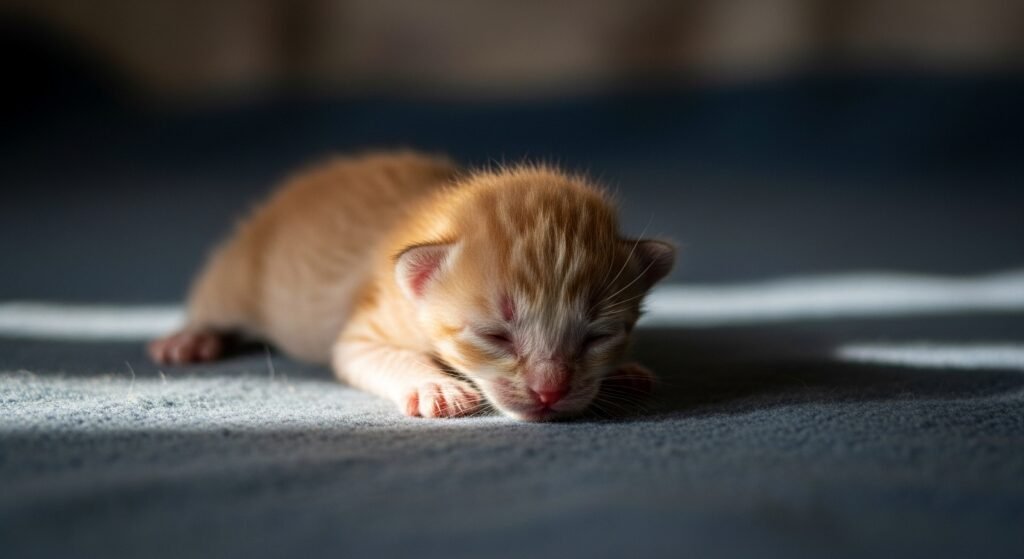
There are many causes of fading kitten syndrome, and sometimes more than one thing at once can hurt a kitten. Here are the most common reasons:
- Low body temperature (hypothermia): Newborn kittens can’t control their own temperature. If they get too cold, they can’t digest food or stay alive.
- Dehydration or malnutrition: If a kitten isn’t getting enough milk, it can fade quickly.
- Heart defects or birth problems: Some kittens are born with health issues that may not be seen right away.
- Infections: Viruses or bacteria can make small kittens very sick very fast.
- Parasites: Worms or fleas can take away too much blood or nutrition.
- Mother cat rejecting the kitten: If a mother doesn’t care for or feed her baby, it will begin to fade.
Knowing these causes can help you prevent fading kitten syndrome or act quickly if it starts.
Early Signs of Fading Kitten Syndrome
Time is everything when it comes to fading kitten syndrome. Spotting the early signs can make the difference between life and death.
Watch for signs like:
- Constant crying or weak meows
- Not nursing or latching on during feeding
- Slow movements or no energy
- Cold ears, paws, or belly
- Trouble breathing or gasping
- Pale gums or tongue (they should be pink)
- Low weight gain or sudden weight loss
Healthy kittens should be warm, energetic, and gaining weight daily. If you notice any of these warning signs, it’s time to act fast.
When Does Fading Kitten Syndrome Happen?
Fading kitten syndrome usually affects kittens between birth and four weeks old. These first weeks are called the “neonatal” stage. Kittens at this age are very fragile and need warm surroundings, regular feeding, and extra care.
The first 48 hours of life are especially risky. That’s when kittens must get colostrum—the mother’s first milk, which is rich in antibodies. If they miss this, they may not be able to fight off sickness.
Even healthy-looking kittens can fade suddenly during the first month. That’s why foster parents, rescue workers, and new kitten owners need to watch closely during these early weeks.
How to Care for a Fading Kitten
If you notice signs of fading kitten syndrome, don’t panic—but act fast. Here’s what to do:
Step 1: Keep the kitten warm. Use a heating pad or warm water bottle wrapped in a soft towel. Never place a kitten directly on a heating pad. Warm their body up slowly.
Step 2: Check for dehydration. Feel the gums. If they’re dry or sticky, try to hydrate the kitten with a few drops of kitten-safe electrolyte solution.
Step 3: Try feeding. If the kitten isn’t nursing or bottle-feeding, use a syringe to gently give formula. Go slow and don’t push too hard.
Step 4: Call a vet right away. Most fading kittens need medical care fast. Even a few hours can make a big difference.
The sooner treatment starts, the better the chance of saving the kitten.
Can You Prevent Fading Kitten Syndrome?
It’s not possible to prevent all cases of fading kitten syndrome, but you can lower the chances by providing great care during the kitten’s early life.
- Keep the area warm and free of cold drafts
- Weigh the kittens daily to make sure they are gaining at least 10–15 grams
- Make sure each kitten feeds every 2 to 3 hours
- Watch for signs of illness and get vet care fast
- Keep mother cats healthy and stress-free
- Treat for parasites if advised by a vet
- Never give cow’s milk—it can upset their stomachs
With the right care and attention, many kittens can grow strong and healthy and avoid fading kitten syndrome entirely.
Fading Kitten Syndrome in Bottle-Fed Kittens
Sometimes, orphan kittens don’t have a mother to nurse from. These kittens are usually bottle-fed with kitten milk replacement. While bottle feeding is life-saving, it comes with extra risks.
Bottle-fed kittens are more likely to suffer from fading kitten syndrome if:
- They are not warm enough during feedings
- The bottle’s hole is too big or too small
- The formula is not properly mixed
- They get too much, too little, or are fed too quickly
Make sure to hold neonates upright during feedings and burp them afterward gently. Also, stimulate them to go potty after feeding, as young kittens can’t do this on their own. These little routines save lives.
Common Myths About Fading Kitten Syndrome
There are many myths about fading kitten syndrome. Let’s clear some up:
Myth 1: “Only sick kittens fade.”
Truth: Even seemingly healthy kittens can fade due to cold, hunger, or hidden problems.
Myth 2: “Mother cats can always tell when something’s wrong.”
Truth: Some moms don’t notice when one kitten is fading—or they may reject them without reason.
Myth 3: “All fading kittens die.”
Truth: Many can survive with quick care and vet help.
Myth 4: “Cow’s milk is okay if you don’t have kitten formula.”
Truth: Cow’s milk is bad for kittens and may cause diarrhea or dehydration.
Understanding the truth helps save more kittens in need.
Emotional Impact on Caregivers
Losing a kitten to fading kitten syndrome is deeply painful. Rescue volunteers, fosters, and pet parents often deal with guilt and sadness, even when they’ve done all they can.
If you’ve cared for a fading kitten, know this: your love mattered. You gave the kitten warmth, comfort, and a fighting chance. Sometimes, no matter what we do, the illness is too fast or the kitten was too weak.
Don’t be too hard on yourself. Reach out to others for support and remember, each act of kindness makes a difference—even if the outcome isn’t what we hoped.
Real Stories: Rescues That Beat the Odds
Some kittens with fading kitten syndrome do survive, thanks to fast action and loving care. For example:
Lulu, a tiny gray kitten found on a rainy night, was barely moving. A bottle feeder warmed her slowly, offered small bits of formula, and rushed her to the vet. She grew stronger and now rules her new home like a queen.
Max, rejected by his mom, showed signs of fading at two days old. A foster parent used heating pads and round-the-clock feedings. Against all odds, Max pulled through and now plays with toys twice his size.
These stories remind us why every rescue effort is worth it.
When to See a Vet Immediately
If you think a kitten might be fading, call your vet immediately. Don’t wait for things to get worse. Warning signs that need emergency care include:
- Very low or no energy
- Cold body temperature
- Refusal to eat or drink
- Labored breathing or gasping
- Blue or white gums
- Crying or whining without stopping
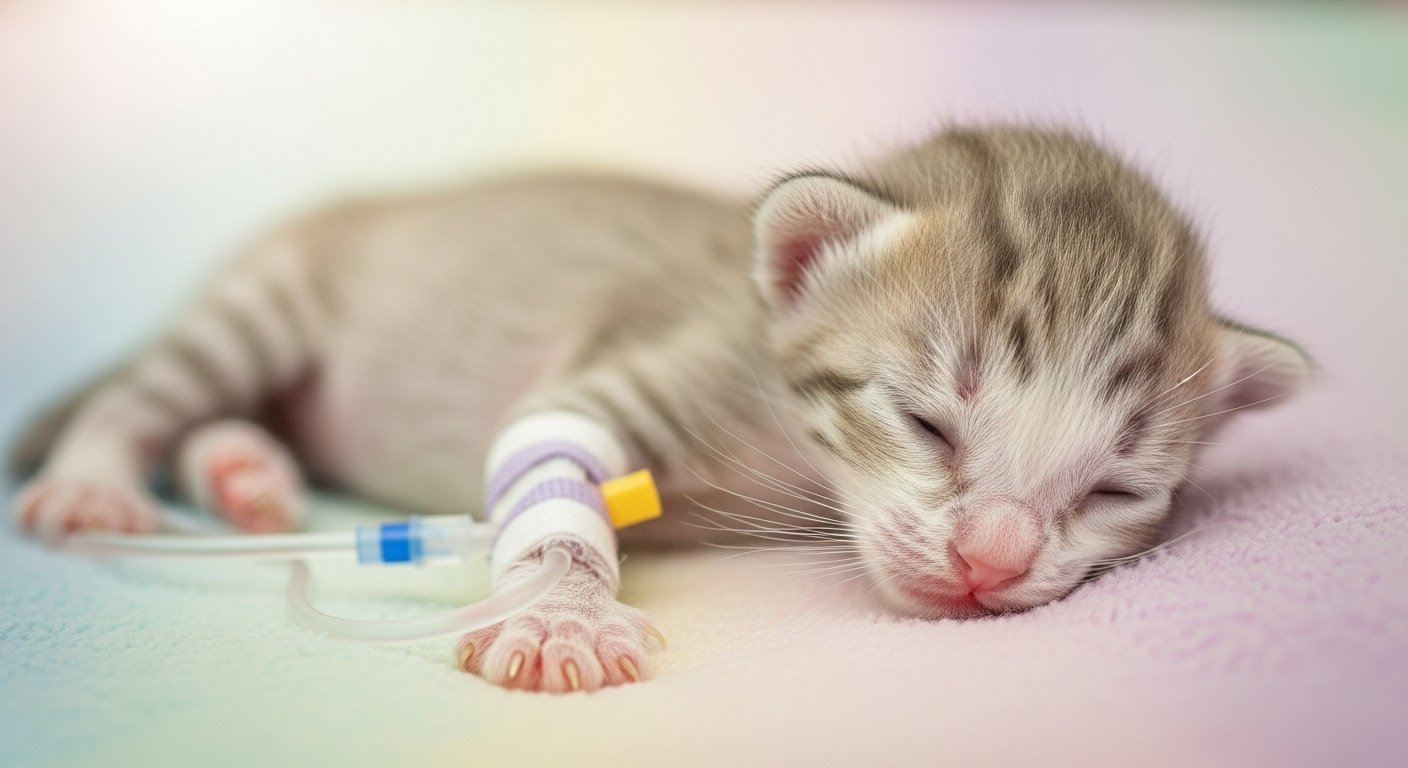
Time is crucial. In many cases, even good home care isn’t enough. Only a vet can give oxygen support, IV fluids, or medication needed to turn things around.
FAQs
1. Can fading kitten syndrome be cured at home?
Some mild cases may improve with warmth and feeding, but most need vet help quickly.
2. How long can a fading kitten survive?
Without help, a kitten may pass within 12 to 24 hours. That’s why early action is key.
3. Is fading kitten syndrome contagious?
No, the syndrome itself isn’t contagious, but infections that cause it may be.
4. What age is most at risk for fading kitten syndrome?
Newborns up to four weeks old are at the highest risk.
5. Can one kitten fade while the rest of the litter is healthy?
Yes. Some kittens are just born more fragile than others due to birth weight or hidden issues.
6. How can I tell if a kitten is gaining weight properly?
Use a small digital scale and weigh kittens daily. Healthy ones gain around 10–15 grams per day.
Conclusion
Fading kitten syndrome can be scary and heartbreaking—but it’s not always the end. With knowledge, quick action, and love, lives can be saved.
This guide to fading kitten syndrome is here to help you recognize the signs early, understand what causes it, and feel confident about what to do. Whether you’re a foster caregiver, cat lover, or just someone who wants to help kittens survive and thrive, you can make a real difference.
Every tiny life matters. Every warm bottle, gentle cuddle, and fast phone call to the vet counts. So, stay alert, get educated, and—most of all—keep your heart open.