Table of Contents
Introduction
Have you ever felt treated unfairly—maybe at school, work, or dealing with a company? So, who helps you then? This is where a special word comes in: Ombudsmänner. It sounds complicated, right? But don’t worry – we’ll keep it simple. Ombudsmänner (yes, there are ombudswomen too!) are independent helpers who step in when there’s conflict or problems. They listen, look at the facts, and help find solutions – all without going to court. In this article, we’ll explain what an ombudsman truly does, why they’re important in today’s world, when to contact one, and how to do it. Everything will be simple, helpful, and easy enough for a fifth-grader to understand. Let’s find out how ombudsmänner quietly, but powerfully, help people every day.
What Does the Word “Ombudsmänner” Mean?
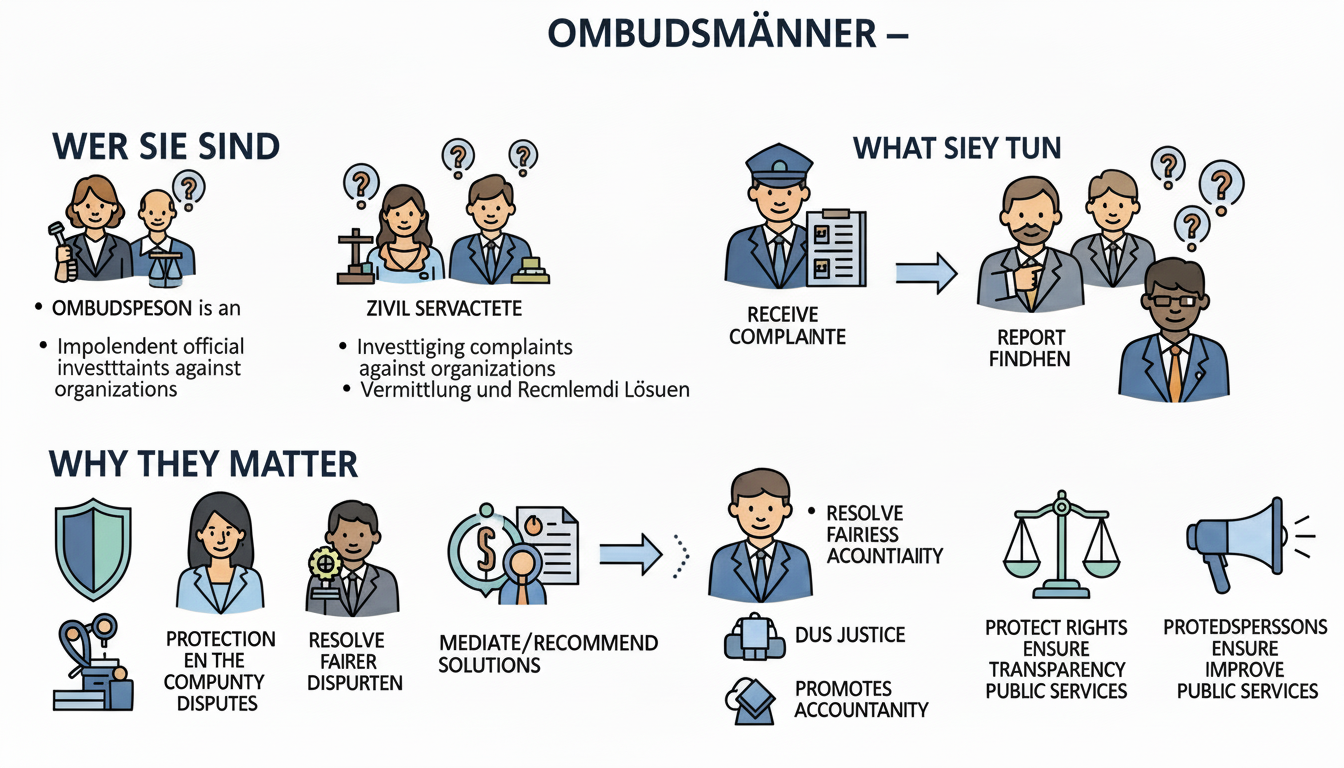
The word Ombudsmänner comes from Swedish. It means “representative” or “trusted person.” In the past, it referred to someone acting on behalf of citizens in government matters. Today, the role is much broader. Simply put, an ombudsman (or ombudswoman) is someone who stands by your side when you feel treated unfairly. They are independent, meaning they don’t take sides with the company or authority you’re complaining about. Their job is to listen to complaints, examine the evidence, and help find a fair solution. Think of them as a bridge – between you and the system you’re dealing with.
Why Do We Even Need Ombudsmänner?
Our world moves fast and can be confusing. Banks, insurance companies, government offices, and large corporations have many rules. Sometimes, mistakes happen. Or decisions feel unfair. But not everyone can afford court – it takes time, money, and energy. That’s where ombudsmänner come in. They offer quick and free help. You can send in a complaint, and they will check it calmly and honestly. Ombudsmänner solve problems quietly and wisely. They help not just individuals – but also build trust in systems like government and business.
Where Can You Find Ombudsmänner?
Ombudsmänner work in many areas. Here are some examples: – Insurance: If your health insurance won’t cover your medical costs. – Banking: If your bank made a mistake and won’t fix it. – Telecom companies: If your internet bill suddenly jumps up. – Schools or universities: If you feel you’ve been treated unfairly. – Elder care or health care: If someone is unhappy with care services. In Germany, Austria, and Switzerland, there are many official ombuds offices that specialize in these areas. Remember: Ombudsmänner are not against you — they are on your side.
What Exactly Does an Ombudsman Do?
An ombudsman acts as a neutral mediator between two sides. They hear both parties, review papers, and suggest fair solutions. Here’s how it works, step by step: 1. You file a complaint. 2. They check if they’re the right office. 3. They listen to both sides of the issue. 4. They look over all documents and rules. 5. They offer a recommendation or suggest a solution. Important: An ombudsman isn’t a judge. They can’t force anyone. But their opinion often counts – companies and agencies usually follow it.
Who Can Contact an Ombudsman?
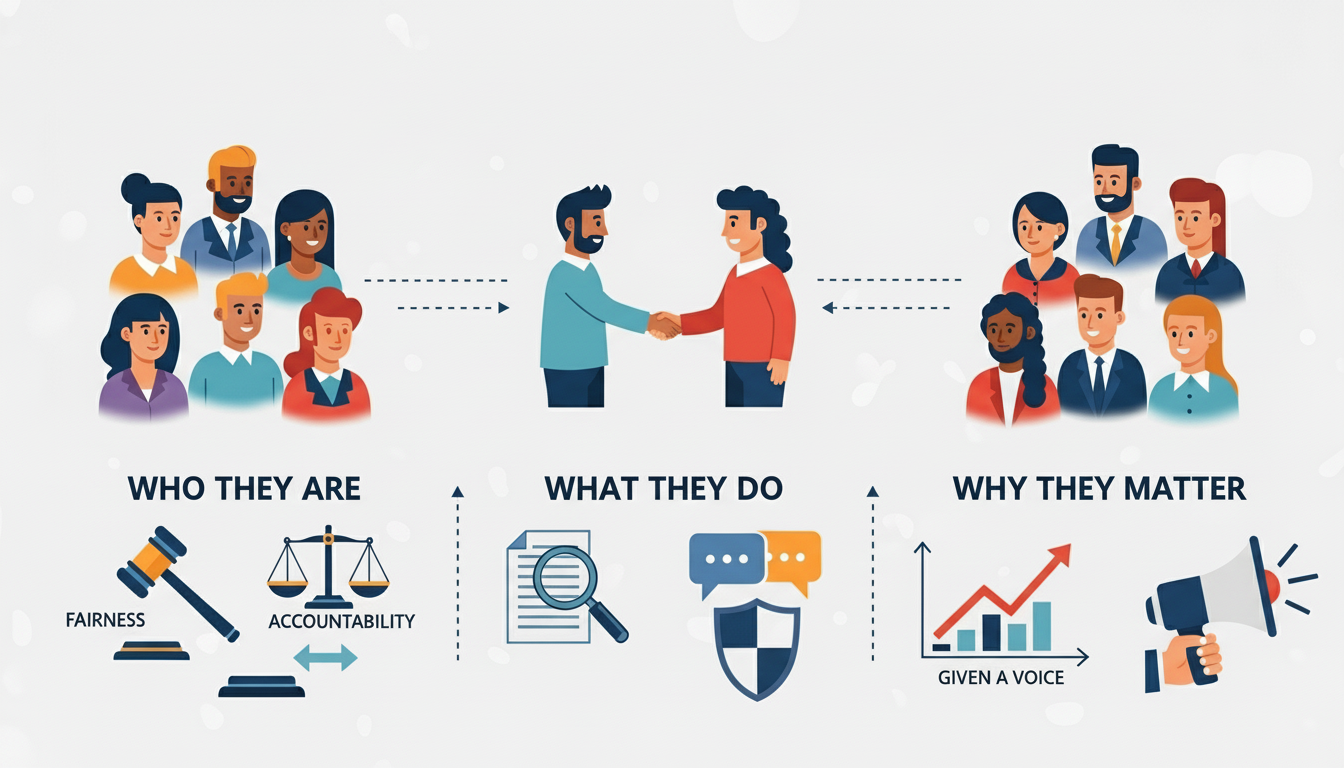
Almost anyone can go to an ombudsperson. You don’t need a lawyer or special knowledge. For example: – You have a bank or insurance issue. – You’re a student, teacher, or employee. – You or a family member are staying in a care home. – You’re having issues with your internet provider. No matter your age or background – most offices let you send in a complaint easily online. Best part? It’s usually free.
What’s the Difference Between Ombudsman and Court?
Courts are important – but can be slow and expensive. A court decision is legally binding and sometimes complicated. An ombudsman, on the other hand, is: – Free – Faster – Neutral – Friendly and easy to understand Their goal isn’t punishment, but rather fairness, understanding, and peaceful solutions. For many people, the ombudsman is the first place to go when there’s a big problem – instead of rushing to court.
Do Ombudswomen Also Exist?
Of course! The term “ombudsmänner” is old-fashioned or sometimes gender-neutral in German. In many places, people now say: – Ombudsperson – Ombuds office – Ombudswomen and ombudsmen Women work just as often in these roles. They often bring great listening and people skills, like empathy and calm communication. The most important part isn’t the gender – it’s the ability to be fair, neutral, and helpful.
What Happens After You Make a Complaint?
After you send your complaint, you usually get a confirmation letter or email. Then the ombuds office checks: – If your case is valid, – If documents are complete, – And if they are the right office for you. If all is okay, they start the fact-finding. This may take a few days to a few weeks. At the end, you may get: – A written suggestion, – An invitation to settle the issue, – Or even a full solution that both sides accept. It feels great to have your issue taken seriously and thoughtfully reviewed.
Real-Life Examples of Ombudsmänner in Action
Want to know how they help for real? Here are a few stories: 1. Mr. M and the Insurance Case: His accident claim was denied. The ombudsman checked the documents – and got the insurance to pay. 2. Mrs. M and Elderly Care: Her father didn’t get a nursing home spot. The ombudsperson contacted the care office – and within days, it was fixed. 3. A Student and a Grade Complaint: The school ombuds office confirmed an unfair grading system. The student got a second chance. Stories like these prove: ombudsmänner make a real difference in everyday life.
Main Benefits of Using an Ombudsman
Here’s a quick list of the best reasons to contact one: – Free of charge – Easy access – even online – Simple language – no legal talk – Neutral and fair to both sides – Private and confidential – Focus on justice, not conflict When you feel alone or powerless, a kind and fair ombudsman can really help.
How to Find the Right Ombudsman
It’s easy. Here’s how: 1. Use online search tools: Type “ombudsman + your issue,” like “ombudsman banking Germany.” 2. Check consumer support websites. 3. Ask your local city office if there’s a mediator. 4. Look at industry websites – like financial or health regulators. Tip: The website should look official, clear, and trustworthy. You can always call if unsure.
FAQs
1. How much does an ombudsman cost?
It’s usually free for citizens and consumers.
2. How long do they take to respond?
Simple cases: a few days. Complex ones: up to 3 months.
3. Do they help solve real problems?
Yes! Many successful resolution stories come from ombudswork.
4. Do I need to be a legal expert?
Nope! They explain things clearly and help you understand.
5. Is everything confidential?
Yes. They work respectfully and your privacy is protected
6. Can kids or teens get help too
Yes – especially school or children’s rights ombuds offices support young people.
Conclusione
Ombudsmänner (and ombudswomen!) are quiet helpers of our time. They stand for fairness, justice, and understanding – without making a fuss. Even if they’re not well-known, their work is priceless. They give people a voice, solve conflicts, and create peaceful outcomes that feel right. If you ever feel stuck dealing with a powerful organization – remember the ombudsmänner. They’re there for you – quiet, strong, free, and on your side.
Was this article helpful to you? Share it with someone or leave us a comment! Ever worked with an ombudsman? Tell us your story – we’d love to hear it!