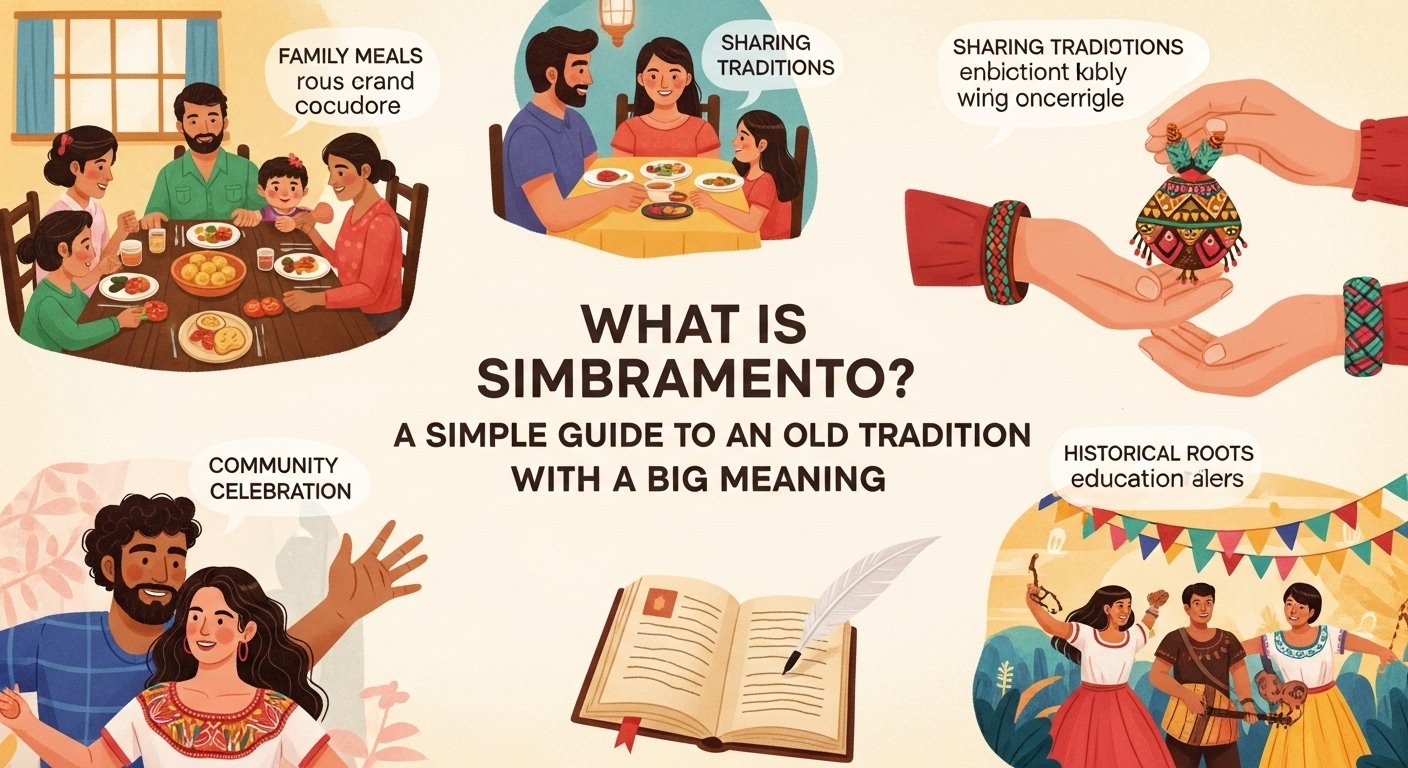
Table of Contents
Introduction
Have you ever seen animals walking together up a mountain path? Or people gatherin to lead their livestock into the hills? If you have, you may have witnessed something special called simbramento. Simbramento is much more than just moving animals. It’s a beautiful and old tradition found mostly in Italy and other parts of Europe. It involves seasonal migration of livestock—usually cows, sheep, or goats—from the valleys to mountain pastures. This tradition has deep roots in agriculture, animal care, community, and nature. It happens around the start of summer each year. Farmers take their animals to graze on fresh mountain grass, helping both the animals and the land. In this simple guide, we’ll explore what simbramento really means, how it works, and why it still matters today. Whether you’re a farmer, a traveler, or just someone curious about culture, you’re about to discover something timeless and inspiring.
The Meaning Behind Simbramento
The word simbramento comes from Latin roots and roughly translates to “gathering” or “assembling.” It usually refers to the event of gathering animals—like cows or sheep—to go on a shared journey to better grazing fields. In many Italian regions, especially in the Apennine and Alpine areas, it’s more than a job—it’s a celebration. Often, whole families or even villages join in to help. Simbramento is about cooperation between people and nature. It follows the natural cycle of the seasons. As spring turns into summer, mountain pastures become rich and green. So farmers get ready to send their animals up where they can find better food and cooler air. This keeps the animals healthy, reduces the need to buy feed, and keeps traditions alive. It’s an ancient practice, but still useful even in modern times.
The History of Simbramento
Simbramento isn’t new. People have done this for hundreds, even thousands, of years. In old times, before big trucks and farm machines, this was the best way to make sure animals had enough to eat. Farmers couldn’t grow good crops in the mountains, but the high pastures had great grass. So instead of bringing food to the animals, they brought animals to the food. This tradition is closely tied to transhumance, which means the seasonal movement of animals between lowland and highland areas. Many cultures did this, from the Swiss Alps to the Spanish Pyrenees. Over time, simbramento turned into a cultural event. It often included music, dances, and tasty local food, especially during the departure and return home in fall.
When Does Simbramento Happen?
Simbramento usually takes place in late spring or early summer, around May or June. The exact time depends on the weather. If the snow melts early, the season starts sooner. Farmers watch for signs that the mountain grass is growing and ready. That’s their green light! Once the pastures are prepared, families pack up, gather their animals, and begin the journey uphill. It’s not always a fast trip. Some farmers walk many miles with their herd—sometimes for several days. These paths often follow old trails used for generations. Animals usually stay on the pastures until September or October, when cooler weather returns. That’s when they make their way back home, in a process called “alpeggio” or “transumanza inversa.”
How Simbramento Works Step by Step
Let’s break down how simbramento happens: 1. Preparation: Farmers prepare the animals with vet checks and hoof cleaning. Supplies like food, ropes, and tools are packed. 2. Gathering: Families gather their herds early in the day. This moment is often shared with neighbors. 3. The Walk Begins: Animals walk slowly uphill, guided by the farmers and sometimes their trained dogs. 4. Rest and Feeding: There are stops along the way to let the animals rest and graze. 5. Arrival: When they reach the pasture, animals are released into wide, green areas to roam. 6. Mountain Stay: During the summer, farmers or hired shepherds stay in small huts nearby to watch over the herd. Every step in this journey builds trust between the humans and animals. It also creates strong bonds between farming families.
The Cultural Side of Simbramento
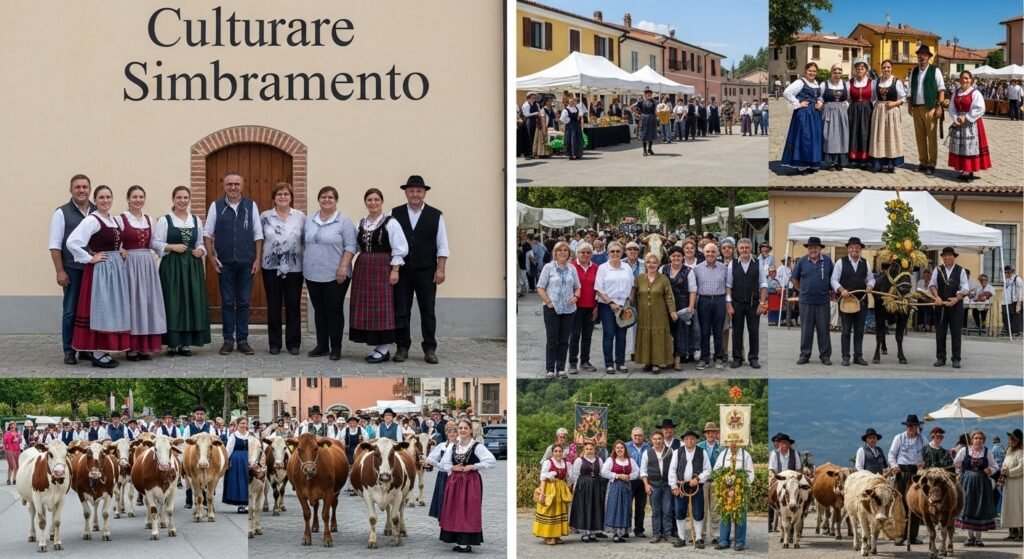
In many small Italian villages, simbramento is a reason to celebrate. Locals host festivals around the time of departure and return. You’ll see folk dancing, local songs, traditional clothing, and street markets. Some towns even have parades with decorated animals! Children learn from their grandparents the value of caring for animals and working with nature. The event brings people together. It’s not just about farming—it’s about sharing a way of life. This gives simbramento deep cultural meaning and keeps rural traditions alive in a fast-changing world.
The Benefits of Simbramento for Animals
Simbramento isn’t only great for humans. It’s great for animals too! Here’s why: – Better Grass: Mountain pastures offer fresh, high-quality grass that’s easy to digest. – Cooler Weather: Animals stay calmer and healthier in the cooler air. – More Exercise: Walking and roaming builds stronger muscles and boosts their immune system. – Lower Stress: Natural settings often mean happier, less stressed animals. Healthier animals often mean better dairy products, like cheese or butter. The milk from mountain-fed cows is rich and flavorful. This natural lifestyle is also more ethical. It’s a kind and humane way to raise livestock.
Simbramento and the Environment
Believe it or not, simbramento also helps protect the planet. How? When animals graze on mountain fields, they help manage the land. They: – Eat overgrown plants, keeping the grass short – Stop certain weeds from spreading – Fertilize the land with their waste – Prevent forests from taking over pastures All these actions help stop wildfires, protect local plants, and improve soil health. Simbramento is a smart and eco-friendly way to balance nature and farming. It’s a good example of regenerative agriculture, which is a method that restores land instead of damaging it.
Challenges of Simbramento Today
Even though simbramento is wonderful, it’s becoming harder to keep alive. Some challenges include: – Fewer young people want to be farmers – Costs of moving animals can be high – Weather changes make mountain grazing risky – Mountain huts and trails need repairs – Fewer pastures are available due to land development Many farmers need help to continue the tradition. This is why some local governments and eco-groups are now supporting simbramento through grants and programs. They see it as cultural heritage worth saving.
Simbramento Around the World
While “simbramento” is an Italian word, other countries have similar traditions. Here are a few: – Switzerland: Alpine herders do summer grazing called “Almauftrieb.” – Spain: In regions like Asturias, farmers follow “trashumancia.” – Austria & Germany: Known as “Almabtrieb”—big celebrations mark the cows’ return in fall. – Morocco: Some Berber tribes practice seasonal grazing with goats and camels. These traditions all share the same heart: moving with nature, not against it. They are beautiful displays of how people and animals live together with the land.
The Future of Simbramento
Can simbramento survive the modern world? It can—but it needs awareness, education, and support. More schools in rural areas are teaching kids this ancient art. Some eco-tourism programs now let visitors join the journey, learning from real farmers. Farmers also market special products—like mountain cheese or pasture-raised meat—with labels showing their animals followed traditional simbramento. This boosts the local economy. New ideas like tech tracking collars and mobile shelters also help. They make it easier to track herds and care for animals on remote hills. Keeping simbramento alive means saving not just a tradition—but a relationship between people, animals, and the earth.
How to Experience Simbramento for Yourself
Interested in seeing simbramento in real life? Great! You don’t have to be a farmer. Each year, you can: – Visit Italian mountain villages in spring or fall – Stay in farm-friendly lodges or “agriturismos” – Join local festivals that celebrate farming life – Take eco-walking tours that follow simbramento trails – Volunteer with co-ops that manage grazing land Experiencing simbramento is not just a trip—it’s a step into history, nature, and culture. You’ll never see farming the same way again.
FAQs
1. What animals are used in simbramento?
Mostly cows, sheep, and goats. These animals are easy to lead and benefit from fresh pasture.
2. Is simbramento the same as transhumance?
They’re similar! Simbramento is more specific to Italian tradition, while transhumance is used globally.
3. Why do farmers still do simbramento today?
It keeps animals healthy, saves money on feed, and protects land. It’s also a cultural tradition.
4. Can tourists join simbramento events?
Yes! Many regions welcome visitors to watch or even walk part of the journey.
5. Is simbramento good for the environment?
Absolutely. Grazing helps prevent wildfires, manages land properly, and improves soil health.
6. Do young people still learn about simbramento?
Some do, especially in farming families. Schools and communities are now helping teach this valuable skill.
Conclusion
Simbramento is not just a word. It’s a way of life. This timeless tradition teaches us about balance—between people, animals, land, and seasons. It reminds us to work with nature, not against it. As the world moves faster and becomes more digital, traditions like this help us stay grounded. They connect us to roots, earth, and community. Whether you’re a farmer, a nature lover, or just curious, simbramento has something to offer you. So why not learn more? Or even better—go see it for yourself! Let’s celebrate, support, and share this beautiful tradition—one step (and hoofprint) at a time.
If you enjoyed this article, share it with a friend or drop a comment below! Have you ever seen or taken part in simbramento? We’d love to hear your story.