
Table of Contents
Introduction
If you’ve ever typed or seen the phrase “lake texoma” and wondered if it looked right, you’re not alone. In fact, one of the most common writing mistakes about this major U.S. destination comes down to a small but important rule—yes, Lake Texoma should be capitalized.
When we type on phones, post on social media, or write fast emails, we often skip rules like capitalization. But getting it right—especially when we’re naming places—is a sign of clear, smart, and respectful writing. Plus, when you’re talking about Lake Texoma, you’re not just talking about any lake. You’re talking about one of the biggest, most visited lakes in the United States!
In this article, we’ll cover grammar rules, why Lake Texoma should be capitalized, real insider facts about the lake, and why getting the name right matters for writers, students, bloggers, educators, and even businesses. We’re also going to make it easy to understand—no boring grammar lessons here!
What Is Lake Texoma?
Lake Texoma is a large freshwater lake that sits on the border between Texas and Oklahoma. It was formed in the early 1940s after the U.S. Army Corps of Engineers built Denison Dam on the Red River. Today, Lake Texoma covers about 89,000 acres, making it one of the biggest reservoirs in the Southwest.
People from all over the region come here to fish, camp, swim, and enjoy water sports. It’s well-known for striped bass, sailing, cozy cabins, and beautiful nature.
Because it’s a real, specific place, not a random body of water, Lake Texoma should be capitalized each time you write it.
Why Lake Texoma Should Be Capitalized – Let’s Keep It Simple
Grammar doesn’t have to feel hard. Here’s why Lake Texoma should be capitalized every time:
“Lake Texoma” is a proper noun. That means it names a specific place, not just any general lake. In English, all proper nouns get capitalized. The word “lake” is part of the official name. It’s not just a description—it’s part of what makes this name unique.
Compare these examples:
Correct: We visited Lake Texoma last weekend.
Incorrect: We visited lake texoma last weekend.
See the difference? The first sentence respects the rule. The second sentence looks rushed or careless. And when you’re writing an email, a report, a blog post, or even a travel Instagram caption, getting the name right shows you care about the details.
Proper Nouns 101: Capitalization Rules Made Easy
Let’s look quickly at how proper nouns work. A proper noun is the name of a specific person, place, company, day, or thing. That’s why we capitalize names like:
- Monday
- Susan
- Oklahoma
- Lake Tahoe
- Mount Everest
Because Lake Texoma is made up of two things—“Lake” (as the type of place) and “Texoma” (the local name)—they both get capitalized. Every time. No exceptions.
And this isn’t just for grammar nerds. Writers, students, marketers, and travelers all benefit from using the correct form.
So yes, Lake Texoma should be capitalized, just like all official names should be.
What Happens When You Don’t Capitalize It?
Not capitalizing a name may not sound like a big deal. But it can actually change how your writing looks and feels.
Here’s what can happen when you write “lake texoma” with lowercase letters:
- It looks unprofessional.
- It may confuse readers or make them think you’re referring to just any lake.
- If you’re in school, it might cost you points on an assignment.
- If you’re in business, it could hurt how customers trust your brand.
- It could affect your search ranking in Google when writing online.
Whether you’re writing for fun or work, Lake Texoma should be capitalized to leave the best impression.
Fun Lake Texoma Facts That Deserve a Capital Letter
Lake Texoma isn’t just “any old lake.” It has stories. It has history. It has fish bigger than most cars. Okay, maybe not that big—but close!
Did you know?
- Lake Texoma is one of only a few lakes where striped bass naturally reproduce.
- It has over 600 miles of shoreline!
- You’ll find real islands within the lake like Wood Island and Treasure Island.
- It helps control flooding along the Red River Basin.
- The lake attracts over 6 million visitors a year!
These facts aren’t just cool. They show why Lake Texoma should be capitalized—it’s an important location with a name that matters.
Lake Texoma and Travel Writing: Why Accuracy Counts
If you’re a blogger, travel writer, or content creator, you already know that your words matter. When people read your posts, they trust you to have helpful details—and spelling and grammar are a part of that trust.
When readers see “lake texoma,” they may think the content is rushed or poorly edited. Using the correct format—Lake Texoma—builds authority.
If you’re targeting SEO or audience reach, remember: Lake Texoma should be capitalized because it’s also what people search for. Use the format they trust, and you’re more likely to rank higher and capture attention.
Lake Texoma in School Assignments and Essays
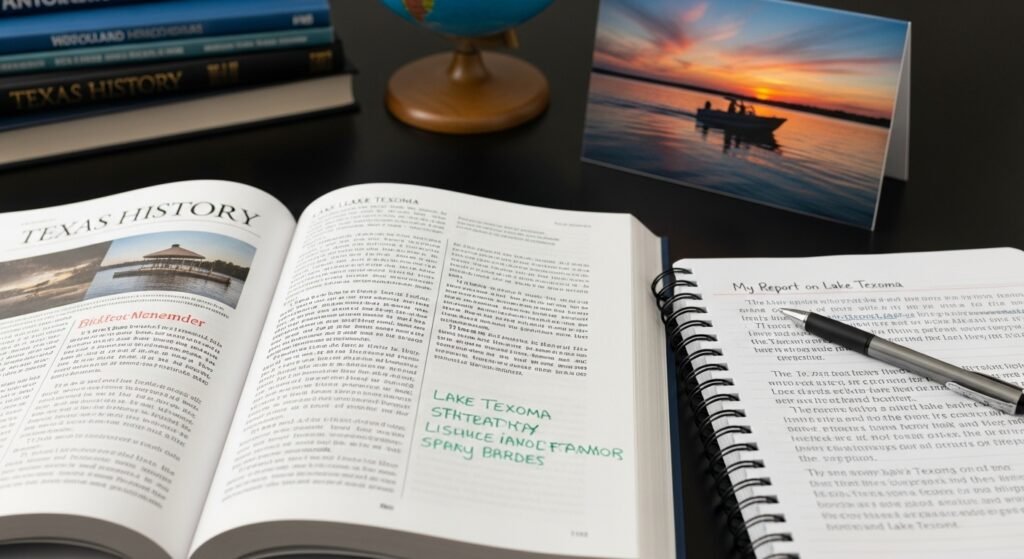
Maybe you’re writing a school paper about Texas geography, lakes in Oklahoma, or famous fishing spots. Even in simple assignments, accuracy is key.
Teachers look for proper grammar and correct naming. It may seem like a small thing, but writing “Lake Texoma” the right way tells your teacher:
- You’re paying attention
- You respect place names
- You care about details
So, if you want to earn top marks, remember that Lake Texoma should be capitalized—always!
Small Business Owners: Why Capitalization Matters
Let’s say you run a fishing charter, cabin rental, or tourism service near Lake Texoma. Your website, flyers, or social channels are seen by visitors every day.
Imagine two headlines:
- Book Your Dream Weekend at Lake Texoma
- Book your dream weekend at lake texoma
Which one looks like it’s from a real business? The first, obviously!
People notice even small things like capitalization when deciding whether to trust a company. So if you live or work near the area, this is your reminder: Lake Texoma should be capitalized in all your business communication.
Guidelines for Hashtags and Lake Texoma
In hashtags and social media, things work a little differently. You don’t have to capitalize hashtags for them to work. That said, capitalizing the first letter of each word can make things easier to read.
Example:
- LakeTexoma
- laketexoma (still works, but less readable)
- lakeTexoma (inconsistent formatting)
Even online, people often write Lake Texoma should be capitalized to make it clear and boost visibility.
Lake Texoma Events and Local News: Name It Right!
If you’re planning or promoting events like:
- Fishing tournaments
- Local festivals
- Nature hikes
- Boat shows
- Camping weekends
Then you need to make sure you use the correct name—on Facebook, flyers, websites, and registration forms. Why? Because it gives your event the local pride it deserves.
Nothing looks more thoughtful than using the correct names on signs and materials. Lake Texoma should be capitalized to show that you respect the community and care about how your work is seen.
It’s About Respecting the Place
Capitalizing names like Lake Texoma isn’t just grammar—it’s also about respect. When we get a place name right, we’re showing that it matters. We’re honoring the culture, the land, and the people who live, work, and play there.
Put simply, Lake Texoma should be capitalized because it is an important geographic feature. It helps people navigate, learn, connect, and build memories. Whether you’ve visited once or a hundred times, treat the name the way it deserves—with capital letters.
How to Remember Capitalization Rules with Lake Names
Here’s an easy trick: if it’s a real place with a specific name, then both words are capitalized.
- Lake Texoma
- Lake Tahoe
- Lake Michigan
- Lake Travis
- Lake Erie
See a pattern? “Lake” and the name both start with a capital letter. So just remember: if you’d find it on a map, capitalize it!
And now that you know how easy it is, you’ll never forget that Lake Texoma should be capitalized every time.
FAQs
Q1: Do I really need to capitalize “Lake Texoma” every time?
Yes! Every instance matters since it’s a proper name and place.
Q2: What if I’m posting casually on social media—does it matter then?
It’s ideal to capitalize it, even casually. It looks more polished and helps your posts get found.
Q3: Is it ever okay to just say “Texoma”?
Yes, in informal speech or writing. But avoid saying “lake texoma” uncapitalized.
Q4: Do both “Lake” and “Texoma” need to be capitalized?
Yes. Since the place’s full name is “Lake Texoma,” both parts need uppercase letters.
Q5: What if I see other people forget to capitalize “Lake Texoma”?
You can kindly correct them or lead by example with your own writing.
Q6: Are there exceptions in writing styles where it stays lowercase?
Only in code, some hashtags, or rare design styles. But for regular writing, capitalization is the rule.
Conclusion
Whether you’re writing a school report, posting online, managing a business, or journaling about your weekend trip, the rule stays simple: Lake Texoma should be capitalized every single time.
Why? Because it’s a proper name. It’s a place filled with memories, beauty, and meaning. Writing it correctly shows that you care about your readers, your work, and the place itself.
So take this small step toward better writing. Your readers—and Lake Texoma—deserve it.
Next time you write or say Lake Texoma, say it proudly. Capitalized. Always.