Table of Contents
Introduction
Let’s have a friendly chat about diethylpropion. It’s a prescription medicine that some doctors use to help people lose weight. Many folks struggle with weight even when they try hard. Eating better and moving more are great habits, but sometimes we still need extra help. That’s where diethylpropion comes in.
This guide will explain what it is, how it works, who should (and shouldn’t) take it, and how to stay safe. We’ll also talk about real people’s success with it, your options, side effects, and questions you may have.
Whether you’re exploring weight loss options, looking for help, or just curious, this article is for you. We’ll keep the language clear and friendly. Think of this as a helpful conversation, not a boring science lesson.
Now, let’s dive into the world of diethylpropion.
What Is Diethylpropion and What Does It Do?
Diethylpropion is a prescription drug that helps people lose weight. It’s mainly used when eating healthy and exercising haven’t worked well enough on their own. Doctors often give it to folks who are considered obese or have serious weight-related health problems like diabetes or high blood pressure.
This medication helps by making you feel less hungry. When you eat less, your body may use stored fat for energy. That leads to gradual weight loss. Diethylpropion is part of a group of medicines called appetite suppressants. It acts on your brain to make you feel full sooner.
It’s not a magic pill. You’ll still need to eat smart and stay active. But with the right plan and doctor’s support, diethylpropion can boost your efforts and help you reach your goals.
How Diethylpropion Works in the Body
Your brain helps control hunger. Diethylpropion works by changing certain chemicals in your brain that make you feel hungry. When these chemicals are balanced, your desire to eat becomes smaller. That means it’s easier to skip snacks, pass on second helpings, and stay on track.
The medicine also gives you more energy. You may feel more motivated to get moving, take a walk, or hit the gym. This extra activity helps burn calories, which supports weight loss.
Diethylpropion is in a group of medications similar to amphetamine, but it’s much gentler. When taken properly, it’s considered safe and effective for short-term weight loss. Always let a doctor decide if it’s right for you.
Who Should Take Diethylpropion?
Diethylpropion is not for everyone. But some people may benefit from it, especially if they are dealing with serious weight concerns.
Doctors usually give diethylpropion to adults with:
- A BMI of 30 or higher (known as obesity)
- A BMI of 27 or higher, along with health conditions like high blood pressure or type 2 diabetes
It’s not meant for children or teens. It’s also not good for people with a history of heart problems, untreated high blood pressure, or mental health disorders like severe anxiety or depression.
Before getting diethylpropion, a doctor will check your physical and emotional health. Honesty during this check is very important to stay safe.
The Right Way to Take Diethylpropion
Taking diethylpropion the right way helps it work best and keeps you safe. This medicine usually comes in tablet form. Some are taken once a day, while others are split into two or three doses throughout the day.
Most people take diethylpropion about one hour before meals. Taking it late in the evening can make it harder to sleep. It’s important to follow your doctor’s instructions carefully.
Here are a few safety tips:
- Don’t take more than you are told
- Don’t skip meals—even if you’re not hungry
- Drink plenty of water
- Never mix it with other stimulants like energy drinks
- Don’t drive if you feel dizzy or shaky
This medicine is usually taken for 8 to 12 weeks. Longer use may not be safe, so never take it without a doctor checking in.
Possible Side Effects of Diethylpropion
Like all medications, diethylpropion may have side effects. Most are minor, but some might require a call to the doctor. The good news? Many people don’t feel anything worse than a dry mouth.
Common side effects include:
- Dry mouth
- Feeling nervous or jumpy
- Difficulty falling asleep
- Increased energy or restlessness
- Upset stomach or headache
More serious but rare side effects could be:
- Fast or irregular heartbeats
- Chest pain
- Mood changes, such as feeling very sad or very excited
- Breathing problems
Always let your doctor know if anything feels wrong. Don’t wait if you notice serious symptoms. With careful use, most people take diethylpropion without big issues.
Can You Get Addicted to Diethylpropion?
Some people worry that diethylpropion could be addictive. It’s a smart question. This medicine is a type of stimulant, similar to drugs like caffeine or ADHD medication.
Used the right way, for a short time, and under a doctor’s watch, it’s very safe. But if someone takes too much, or takes it without a prescription, that could lead to dependence, where the body starts to need it every day.
That’s why diethylpropion is always prescribed carefully. Doctors often review progress every few weeks. If you ever feel like you “need” more to feel the same, you must talk to your doctor right away.
When taken the right way, diethylpropion is very unlikely to lead to addiction. Just follow your plan, be honest with your doctor, and you’ll be fine.
Diethylpropion vs Other Weight Loss Medicines
There are many weight-loss pills today. How does diethylpropion compare?
Let’s look at a few popular ones:
- Phentermine – Stronger stimulant, but more side effects possible
- Semaglutide (Wegovy) – This medicine helps you feel full longer but can be expensive or hard to find
- Liraglutide (Saxenda) – An injectable option that helps lower appetite slowly over time
- Orlistat – Blocks fat absorption but may cause stomach side effects
Compared to these, diethylpropion is often used for short-term help. It’s less pricey, simple to take, and works very well for people who need a jump start. For longer-term results, other options may be better. Your doctor can help guide the best fit for your life and health.
Real-Life Diethylpropion Success Stories
Let’s meet two real people who used diethylpropion to reach their health goals.
Rachel, 34, from Texas, said:
“I always struggled with late-night eating. My doctor suggested diethylpropion. It helped curb those cravings. I lost 12 pounds in eight weeks. More important, it helped me take the first step toward better habits.”
Marcus, 41, from Ohio, shared:
“I work on my feet all day but still gained weight. With diethylpropion and meal prep, I finally started seeing results. I lost belly fat and felt more in control for the first time in years.”
Their stories show how this medicine works when used as part of a bigger plan.
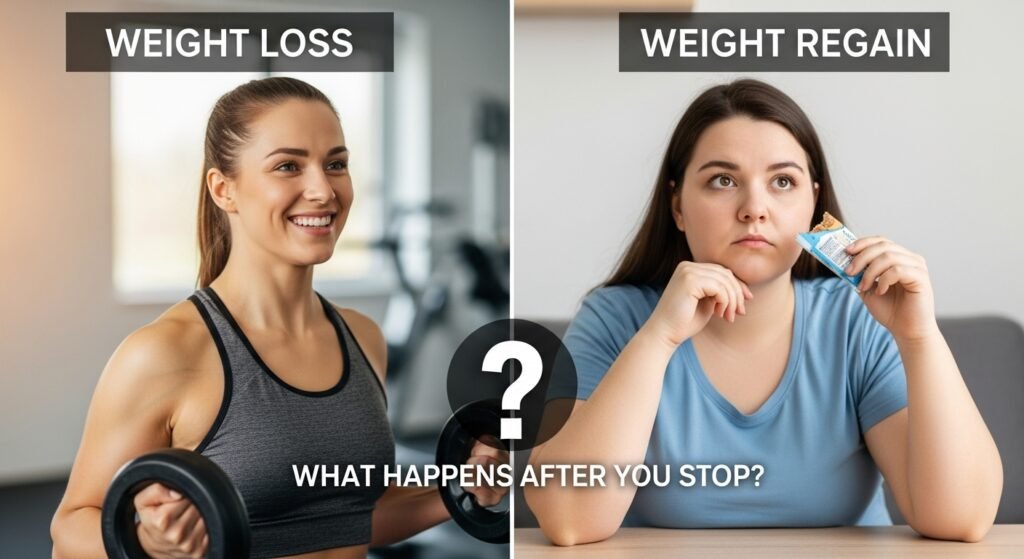
What Happens After You Stop Taking Diethylpropion?
This is something many people ask: “What happens when I stop diethylpropion?”
The answer depends on you. Some people keep losing weight through healthy eating and activity. Others may start gaining weight back if they go back to old habits. The key is to make better habits while you’re using the medicine, so they stick later.
Here’s how to keep the progress going:
- Plan your meals ahead of time
- Do daily activities like walking or stretching
- Talk to a nutrition coach or healthcare provider
- Avoid skipping meals to “save calories”
- Keep a food or mood journal
When used correctly, diethylpropion gives your efforts a boost so long-term changes feel easier.
Best Foods and Habits While Taking Diethylpropion
Food and lifestyle matter a lot when using diethylpropion. Your choices make the medicine work even better.
Here’s what you should add to your plate:
- Fresh fruits like apples, berries, and oranges
- Veggies such as broccoli, carrots, spinach, and green beans
- Lean protein like grilled chicken, tofu, or beans
- Whole grains like oats, brown rice, and quinoa
Drink lots of water, especially since diethylpropion may make your mouth dry. Stay away from soda, fried foods, and sweets. Even cutting out one soda a day can make a difference.
Also, aim for 20–30 minutes of movement each day. You don’t have to go to the gym—dancing, walking, or even stretching helps.
Mental Health and Diethylpropion
How you feel emotionally is just as important as what you eat. Some people who use diethylpropion feel more alert, but others can feel nervous or moody.
Stress, sadness, or worry can affect your body—and your success with weight loss. If you ever feel overly anxious, sad, or have mood swings while taking diethylpropion, tell your doctor.
It’s OK and normal to ask for help. A counselor or therapist, or just a good friend, can be part of your support team. Healthy body, healthy mind—they work together.
Can You Buy Diethylpropion Without a Prescription?
You might see ads online offering cheap diethylpropion with no prescription. Be very careful.
This medicine is prescription-only for a reason. Doctors need to check your health history to make sure it’s safe for you. Buying from untrusted websites puts you at risk. You could get something fake, unsafe, or even dangerous.
If you’re thinking about using diethylpropion, do it the right way. Make an appointment with a licensed healthcare provider. Many offer phone or video consultations now, so it’s easier than ever to get real help.
FAQs
1. How long can I take diethylpropion?
Most people take it for 8 to 12 weeks. Longer use should always be reviewed by a doctor.
2. How fast does diethylpropion work?
Some people start noticing appetite changes in a few days. Weight loss usually happens within 2 to 4 weeks.
3. Can I drink coffee with diethylpropion?
Small amounts are fine, but too much caffeine can increase side effects like shaking or nervousness.
4. Can I stop diethylpropion suddenly?
Yes, but check with your doctor. Some people feel tired or extra hungry afterward, so planning ahead helps.
5. Do I need a special diet while taking it?
Not special, but healthier foods mean better results. Whole foods, water, and daily movement help the most.
6. Can diethylpropion cause mood swings?
Sometimes. Some people feel more alert or energetic, while others may feel anxious. Always report mood changes.
Final Thoughts
Diethylpropion is more than a pill. It’s a helping hand while you build the skills to eat better, move more, and feel stronger. For the right person, at the right time, it can be life-changing.
Remember—this medicine isn’t forever. It’s meant to help you get started. Along the way, you’ll learn habits that can last long after you’ve stopped taking it.
If you’ve been trying to lose weight and keep ending up in the same place, maybe it’s time to talk to your doctor. Ask if diethylpropion could work for you.
You deserve to feel your best. Keep going. You’ve got this!