Table of Contents
Introduction
sudep, or Sudden Unexpected Death in Epilepsy, is a condition that affects thousands of people every year—but many have never heard of it. If someone you love has epilepsy, learning about SUDEP can help you take simple steps that might save a life.
SUDEP happens when a person with epilepsy dies suddenly and unexpectedly, and no other cause of death is found. It usually happens during or after a seizure, often overnight, and it can affect both children and adults.
Even though it can sound scary, the goal of learning about SUDEP is not fear—it’s understanding. Knowledge empowers people with epilepsy, families, and caregivers to make smart choices. With the right care and safety habits, the risk of SUDEP can be lowered.
This article offers a gentle, informative look into what SUDEP is, who is most at risk, how it’s diagnosed, and how to help prevent it. Let’s explore this important topic and work together to spread awareness.
What Does SUDEP Stand For?
SUDEP is short for Sudden Unexpected Death in Epilepsy. It’s a medical term used when a person with epilepsy dies suddenly and doctors cannot find another cause.
Here’s a breakdown of the word:
- Sudden: The death is quick and unexpected.
- Unexpected: The person was not seriously ill before it happened.
- Death in Epilepsy: The person had epilepsy, a condition that causes seizures.
In SUDEP cases, the person is often found in bed and may have had a seizure close to the time of death. Usually, doctors don’t find signs of a heart attack or drowning. That’s why it’s called “unexpected.”
Understanding SUDEP helps families be better prepared and encourages important conversations with doctors.
How Common Is SUDEP?
While SUDEP is rare, it still happens more often than most people think. Experts estimate that about 1 in 1,000 adults with epilepsy and 1 in 4,500 children with epilepsy may die from SUDEP each year in the United States.
The numbers can change depending on the type of epilepsy and how well it is controlled.
People with frequent seizures have a higher chance of SUDEP, especially those who have generalized tonic-clonic seizures—the kind where a person stiffens, shakes, and often loses consciousness.
Even though the statistics sound scary, it’s important to remember that the risk can be lowered. Many people with epilepsy never experience SUDEP, especially if their seizures are well managed.
What Happens During SUDEP?
Doctors are still learning exactly what happens during SUDEP, but they do have some ideas. It usually happens during or right after a seizure.
In many SUDEP cases, experts believe that the brain’s control over the heart and breathing is affected:
- A seizure may cause breathing to stop or become very shallow.
- The heart may beat irregularly or even stop.
- The person may be unconscious and unable to call for help.
In most situations, SUDEP occurs at night. The person is often found lying face-down in bed, alone.
Learning about these possible causes helps researchers and doctors come up with ways to reduce the risk. It also helps families understand why overnight monitoring or certain care steps matter.
Who Is at Higher Risk of SUDEP?
Not everyone with epilepsy has the same SUDEP risk. Some people are more at risk than others, especially if:
- They have frequent seizures, especially tonic-clonic seizures.
- They do not take seizure medicine regularly.
- Their seizures are not well-controlled.
- They sleep alone without anyone to check on them.
- They have seizures while sleeping.
Remember, even people at higher risk can take steps to stay safe. Talking to your doctor, keeping a seizure diary, and following a treatment plan can help lower that risk.
Knowing the facts lets you take action, which is the most powerful tool we have against SUDEP.
Can SUDEP Be Prevented?
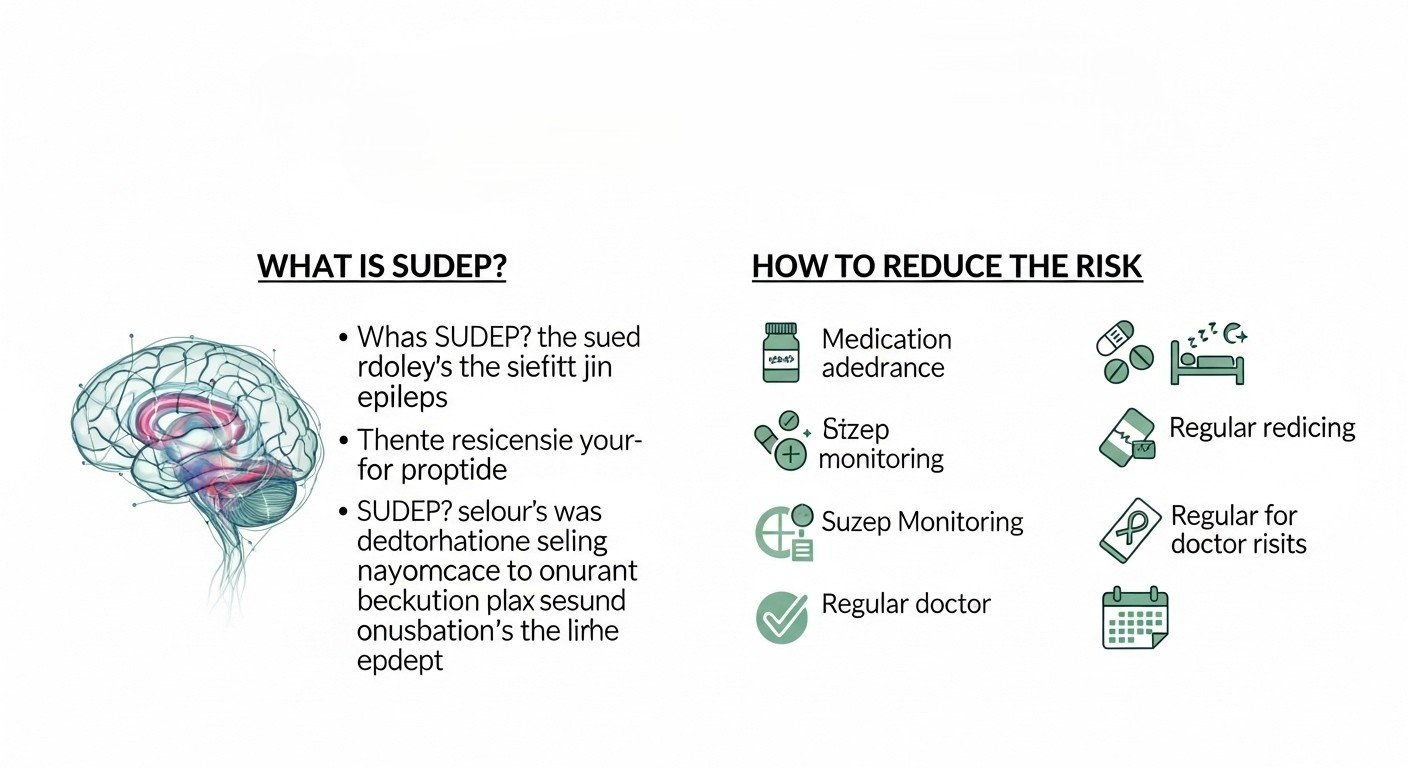
While there is no guaranteed way to prevent SUDEP, there are things you can do to lower the chances of it happening.
Here are key steps:
- Take your seizure medications every day, as prescribed.
- Talk to your doctor often about your seizures.
- Avoid triggers, like lack of sleep, alcohol, and stress.
- Consider nighttime monitoring, especially if you live alone.
- Stay alert to new symptoms or changes in your seizure pattern.
Some families use seizure alert devices or special monitors that detect movement or sound. These tools notify someone quickly if a seizure happens during sleep.
It’s also helpful to bring someone with you to appointments to talk honestly about SUDEP. It may be hard to hear, but it’s important to know.
SUDEP and Children: What Parents Should Know

SUDEP in children is even rarer than in adults, but it can still happen. For parents, hearing this may feel frightening—but it’s helpful to know the facts and focus on prevention.
Children with uncontrolled seizures or special epilepsy types may have higher risk, but again, the overall risk is low. Parents can take steps to help keep their child safe:
- Make sure medications are taken on time, every time.
- Watch for changes in how often or how strong seizures get.
- Let teachers, babysitters, and coaches know about the child’s epilepsy.
- Use a baby monitor or seizure device at night, if needed.
Always follow up with your child’s neurologist regularly. SUDEP should be part of the care discussion early on, so families feel informed and supported.
How Is SUDEP Diagnosed?
When a person with epilepsy dies suddenly, doctors run several tests to learn the cause. If no clear answer is found, and the person has a history of epilepsy, it may be labeled as SUDEP.
Steps in finding this diagnosis often include:
- A full exam of the person’s medical history
- An autopsy, which checks the body for things like heart problems, injuries, or brain issues
- A review of seizure types and medication use
If a seizure is known to have happened close to the time of death, and there’s no other cause found, SUDEP is considered the most likely explanation.
Families often feel confused, shocked, or even guilty after a sudden death. Understanding the diagnosis can help them begin to heal and find support.
How Families Can Talk About SUDEP
Talking about SUDEP can feel uncomfortable or sad, especially for parents or loved ones. But open conversations can help families prepare, make safer choices, and feel empowered.
You can begin the talk with simple questions:
- “What’s our plan if a seizure happens at night?”
- “Can we ask the doctor more about SUDEP?”
- “Are we doing everything we can to reduce risk?”
It’s okay to feel worried—but talking helps build a support system. Bringing SUDEP into conversations also raises awareness for others in your community.
No one should feel alone when thinking about SUDEP. The more we talk kindly and openly, the more we learn and support each other.
New Research on SUDEP
More doctors and scientists are working every day to understand SUDEP better. They want to find better ways to predict, prevent, and explain why it happens.
Some research looks at the brain’s control over breathing. Other teams are studying genetics and heart function during seizures. Best of all, new tools are in development that may warn caregivers before something bad happens.
If you’re interested, ask your doctor if there are SUDEP studies or trials near you. Joining in research—even just sharing data—can help save lives and bring new hope to families affected by epilepsy.
Tools and Technology That May Help Prevent SUDEP
Technology is becoming more helpful in keeping people safe from SUDEP. Today, smart devices can detect seizures, track movements, and even alert family members or caregivers.
Here are a few tools families may use:
- Seizure alert watches
- Mattress seizure alarms
- Smartphone apps with sound or movement sensors
- Breath and heart rate monitors
These tools are most helpful during sleep, when SUDEP often happens. They don’t replace care, but they add extra safety.
If someone in your family has seizures during sleep, ask your doctor about devices designed to help reduce SUDEP risk.
Spreading Awareness About SUDEP
Even though SUDEP is real and serious, many people—even within the epilepsy community—still haven’t heard of it. That’s why awareness is so important.
Families can help by:
- Sharing resources and articles about SUDEP
- Supporting seizure safety education in schools
- Talking with friends or caregivers about epilepsy
- Wearing purple or joining walks on SUDEP Awareness Day
By speaking up, you could help another family learn, plan, or even save a life. Awareness doesn’t cost anything—but it is powerful, kind, and life-changing.
FAQs
1. What is SUDEP?
SUDEP stands for Sudden Unexpected Death in Epilepsy, and it means a person with epilepsy died suddenly, without an obvious cause.
2. How common is SUDEP?
It is rare. About 1 in 1,000 adults and 1 in 4,500 children with epilepsy may die each year from SUDEP.
3. Who is most at risk for SUDEP?
People with frequent seizures, especially tonic-clonic seizures, who don’t always take medications may be at higher risk.
4. Can devices help prevent SUDEP?
Yes. Seizure alert monitors, breathing detectors, and smart apps may help families respond faster, especially at night.
5. Should I talk to my doctor about SUDEP?
Yes! It’s a key part of epilepsy care. Many doctors now bring it up as early as the diagnosis stage.
6. Can kids get SUDEP?
Yes, though it’s very rare in children. With the right care and open communication, the risk can be lowered even more.
Conclusion
SUDEP is a serious topic—but learning about it can lead to hope, action, and better care. By knowing the signs, facing the risks, and having open conversations, families can make powerful choices that truly matter.
People with epilepsy—and those who love them—deserve full support and understanding. That’s why spreading accurate, helpful SUDEP information matters. It protects lives, eases fear, and builds stronger care networks.
If this article helped you, share it. Start a conversation. Ask your doctor questions. Help others learn how to reduce the risk of SUDEP and feel empowered, not afraid.