Table of Contents
Introduction
The word hitaar might sound new to some, but it’s quickly gaining attention in the world of wellness and personal growth. Whether you’ve seen it mentioned in a health blog, on social media, or in a fitness app, many are curious about what Hitaar really means. So, what is it exactly?
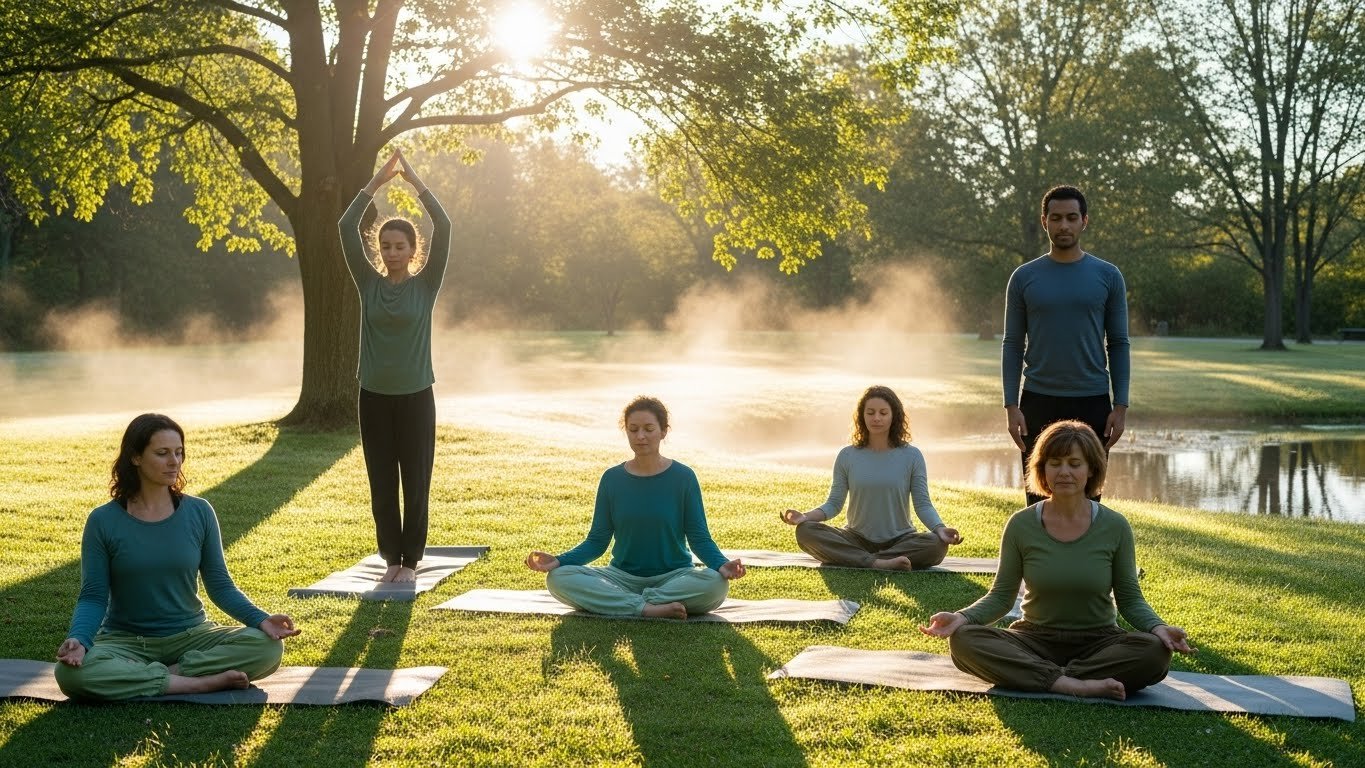
Hitaar is often described as a system, philosophy, or lifestyle focused on mindful movement, breath, healing, and strength. It blends simple movements with breathing techniques and mental focus to help people feel better emotionally, physically, and mentally. While it might vary slightly depending on who teaches or practices it, the core ideas remain the same—balance, awareness, and transformation.
In this article, we’ll dive deep into the world of Hitaar. We’ll look at its benefits, how to do it, why it works, who it’s for, and so much more. Whether you’re brand-new or have tried it a few times, this guide will answer all your questions in a friendly and beginner-friendly way. Let’s step into the world of Hitaar together.
The Meaning Behind the Word Hitaar
The term Hitaar may have different roots depending on the culture or explanation you explore. In some languages, variations of the word can mean “good,” “beneficial,” or “in balance.” That’s very fitting since Hitaar is all about harmony within the body and mind.
In many wellness communities, Hitaar is described not just as a form of movement or exercise, but a path to developing inner peace and daily calm. It’s not just about stretching or breathing—it’s about being in sync with your whole self. You learn how to listen to your body, quiet your mind, and feel more connected to everyday life.
The name is special and unique—just like the practice. If you keep it simple in your mind, think of Hitaar as something that helps you feel better from the inside out.
The Core Principles of Hitaar
At the heart of Hitaar are a few simple but powerful ideas. These guide the practice and help make it effective for people of all ages and levels.
1. Slow, Mindful Movements
Hitaar doesn’t rush. You move with purpose and attention.
2. Deep Breathing
Breathing is a big part of the experience. It calms the body and clears the mind.
3. Body Awareness
You’re taught to notice how your body feels. This helps you avoid injury and grow stronger.
4. Gentle Strength
Some movements build strength, but in a slow and controlled way. You won’t feel overwhelmed.
5. Inner Focus
Unlike other workouts, Hitaar encourages you to tune out the noise and focus on how you feel.
By following these core principles, you may start to notice improvements in not only your body but also your mindset.
The Health Benefits of Practicing Hitaar
One of the biggest reasons people try Hitaar is for its many health benefits. These aren’t just short-term gains either—many people report feeling better overall the longer they practice.
Here are some ways Hitaar may help:
- Reduces stress and anxiety
- Improves flexibility and mobility
- Supports better posture
- Sharpens focus and mental clarity
- Calms the nervous system
- Boosts mood and emotional well-being
- Enhances balance and strength
Because Hitaar is low-impact, it’s easy on the joints and accessible to people with health conditions, past injuries, or limited fitness experience. And since the practice includes breath control and mental focus, you get emotional and physical benefits all in one routine.
How to Get Started with Hitaar
If you’re just hearing about Hitaar for the first time, don’t worry—it’s easy to begin.
Start by carving out a quiet, distraction-free space. You don’t need much. A mat, comfortable clothing, and a little time are all you really need.
Here’s a beginner-friendly approach:
- Set Your Intention – Take a moment before you start to breathe deeply and relax.
- Follow a Short Routine – Look for a 10–20 minute online video or trusted beginner class.
- Focus on Breathing – This matters as much as the movements. Deep, slow breaths are key.
- Don’t Rush – Go at your own pace. Hitaar isn’t about doing more—it’s about doing it mindfully.
- Revisit Daily or Weekly – Stick with it. Even a few minutes a day can make a difference.
Hitaar is about consistency and listening to your body more than getting into extreme positions.
What Makes Hitaar Different from Yoga or Pilates?
This is a common question. At first glance, Hitaar may look similar to Yoga or Pilates. But there are key differences that make Hitaar unique.
- More Fluid Movements: Hitaar isn’t fixed in poses. It often uses light flowing motion.
- More Breath-Focused: Breathing is the starting point in Hitaar, not just a part of the routine.
- Less Structure: Unlike fixed yoga postures or Pilates reps, Hitaar is more flexible in its format.
- Easier for Beginners: The tone is gentler and less intimidating for people completely new to bodywork.
- Often Guided by Energy: Teachers may focus more on inner energy flow or holistic balancing.
So while you might feel familiar moves, the philosophy behind Hitaar is centered around healing, personal rhythm, and calm progress—not performance or intensity.
Who Can Practice Hitaar?
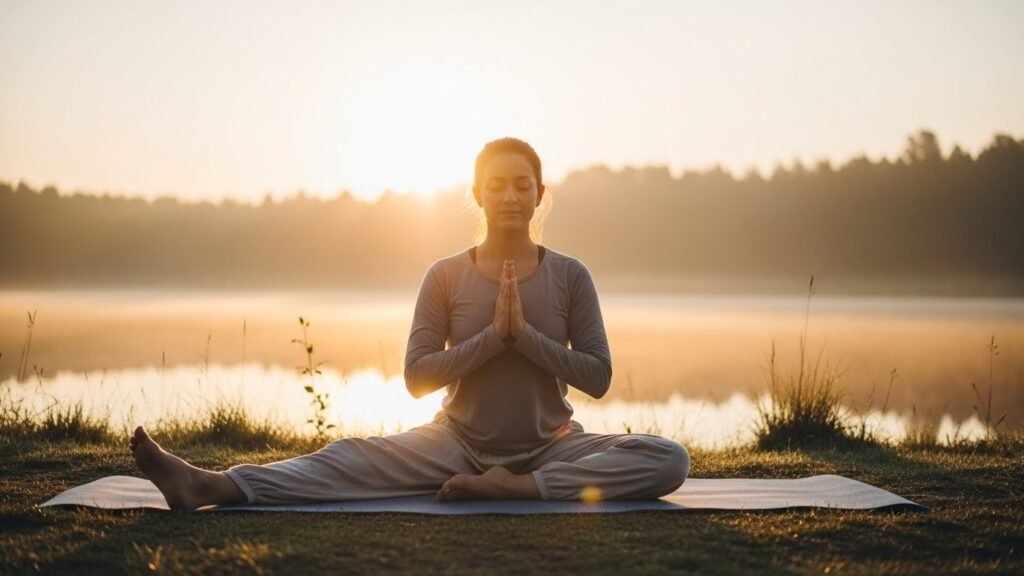
One of the best things about Hitaar is that it welcomes all people. It’s about feeling good, not looking perfect. Whether you’re young, older, athletic, or managing health conditions, Hitaar can meet you where you are.
Here’s who often enjoys Hitaar the most:
- Beginners who want gentle wellness movement
- Office workers dealing with posture issues
- Busy parents looking to reset and recharge
- Senior citizens wanting safe stretching
- People recovering from stress, burnout, or anxiety
- Fitness lovers wanting a low-impact off day
If you’re looking for something soothing, healing, and positive, you’ll fit right in. No fancy gear or fitness level required!
Common Hitaar Movements and Techniques
While Hitaar classes may vary, they usually include a few common practices. These are friendly, easy to learn, and can be adapted for all skill levels.
- Breath Work (Deep Inhale and Exhale)
Teaches you to connect breath with movement. Usually done while seated or standing. - Arm Flow Sequences
Gentle sweeping moves and rotations to release tightness in the shoulders and chest. - Hip and Spine Mobility Flows
Slow circles, bends, or twists to loosen the lower back and hips. - Standing Balance Moves
Great for improving stability and coordination. - Stillness Practice
Pausing between movements to feel breath and body awareness.
You don’t need to memorize anything. Instructors usually guide the rhythm and pacing gently throughout each session.
Tools and Props That Support Your Practice
Even though Hitaar is meant to be simple, sometimes a few tools can help enhance your comfort and focus.
Here are a few helpful items:
- A thick yoga mat – For grounding and joint support.
- Soft blanket or cushion – To sit comfortably during breath work or meditation.
- Chair or wall – Useful for balance movements if your legs are tired.
- Music or calming sounds – Background playlists can deepen your experience.
- Essential oils (optional) – A touch of lavender or citrus may calm your senses.
Keep it easy at first. Find what helps you stay present—not overwhelmed. You can always upgrade over time.
How Often Should You Practice Hitaar?
There’s no fixed rule, and that’s actually the beauty of Hitaar. Since it’s about listening to your body, you can fit it around your own needs.
Most people enjoy practicing:
- 3–5 days a week, even for just 15–20 minutes
- In the morning, to start the day grounded
- After work, for stress relief and mental reset
- Before bed, to help relax and fall asleep easier
The key is showing up regularly. Like anything else in wellness, consistency matters more than perfection. Remember—even just 5 minutes counts!
How Hitaar Boosts Mental Wellness Too
While physical health is important, Hitaar also supports your mind and emotions in powerful ways.
When you pause, breathe, and move slowly, your body shifts into a healing state. This is called the parasympathetic nervous system—it’s the opposite of “fight or flight.” In this calm body mode, you feel safe, peaceful, and clear-headed.
Many people who practice Hitaar say it helps with:
- Sleep quality
- Racing thoughts
- Feeling overwhelmed
- Mood swings or irritability
- Self-confidence and focus
You don’t have to “meditate” the traditional way to get these results. Just showing up and following gentle breath and movement is enough.
Real-Life Stories: What People Are Saying About Hitaar
Hearing from others helps us decide if something is worth trying. People around the world are saying great things about how Hitaar has helped them feel more at home in their bodies.
“I tried yoga for years but never felt connected. Hitaar helped me slow down and really feel peace.” – Laura, 34
“After back surgery, I was looking for safe ways to move. This practice gave back my confidence.” – Marcus, 55
“I do short Hitaar sessions in the morning. It clears my head before work.” – Jen, 28
“It’s like a moving meditation. Even on tired days, I feel better after I do it.” – Ray, 41
These are just a few voices, but all say the same thing: Hitaar is simple, gentle, and surprisingly powerful.
FAQs About Hitaar
1. Is Hitaar a workout or more like meditation?
Both! It blends soft movement with breathing and awareness. It’s not intense but still healthy.
2. Do I need to be flexible or strong?
No. Hitaar meets you where you are. It actually helps you get more flexible and steady over time.
3. How does Hitaar compare to yoga?
Hitaar is less structured. It’s more about flow, calm energy, and breathing than traditional poses.
4. Can I lose weight by doing Hitaar?
It may help gently support weight goals through stress reduction and better body awareness, especially when combined with other healthy habits.
5. Do I need special clothes or gear?
Not at all. Anything comfortable works fine. A yoga mat is helpful, but not required.
6. Is Hitaar good for older adults or people with injuries?
Yes! It’s very gentle and can be adjusted easily. Always check with your doctor if you have concerns.
Conclusion
The answer is simple—yes, especially if you’re looking for something gentle, balanced, and healing. Hitaar is more than a trend. It’s a new way to care for your mind and body in a world that often moves too fast.
You don’t need experience or fancy equipment. Just a little time and a willingness to breathe, move, and listen inward. Whether you try a short video or join a local class, Hitaar could be your new go-to for calm and strength