Table of Contents
Introduction
Have you ever felt deep muscle pain that doesn’t go away, even when you rest? Or maybe you often feel tight, sore, and tired for no clear reason. If this sounds familiar, you might have heard a word that’s gaining attention—inomyalgia.
Inomyalgia is a health condition linked to long-lasting muscle pain, stiffness, and discomfort. It’s not the same as common muscle aches from exercise. This pain can come and go or stay for days, weeks, or longer. It often affects your daily life and makes you feel like your body is always sore or overworked.
This guide is here to help you understand what inomyalgia is, how it may affect your body, and what you can do to feel better. We’ll use simple language, real-world examples, and helpful tips—because health should never feel confusing.
You’re not alone on this journey. Let’s take a closer look at inomyalgia, so you can feel empowered and supported every step of the way.
What Is Inomyalgia?
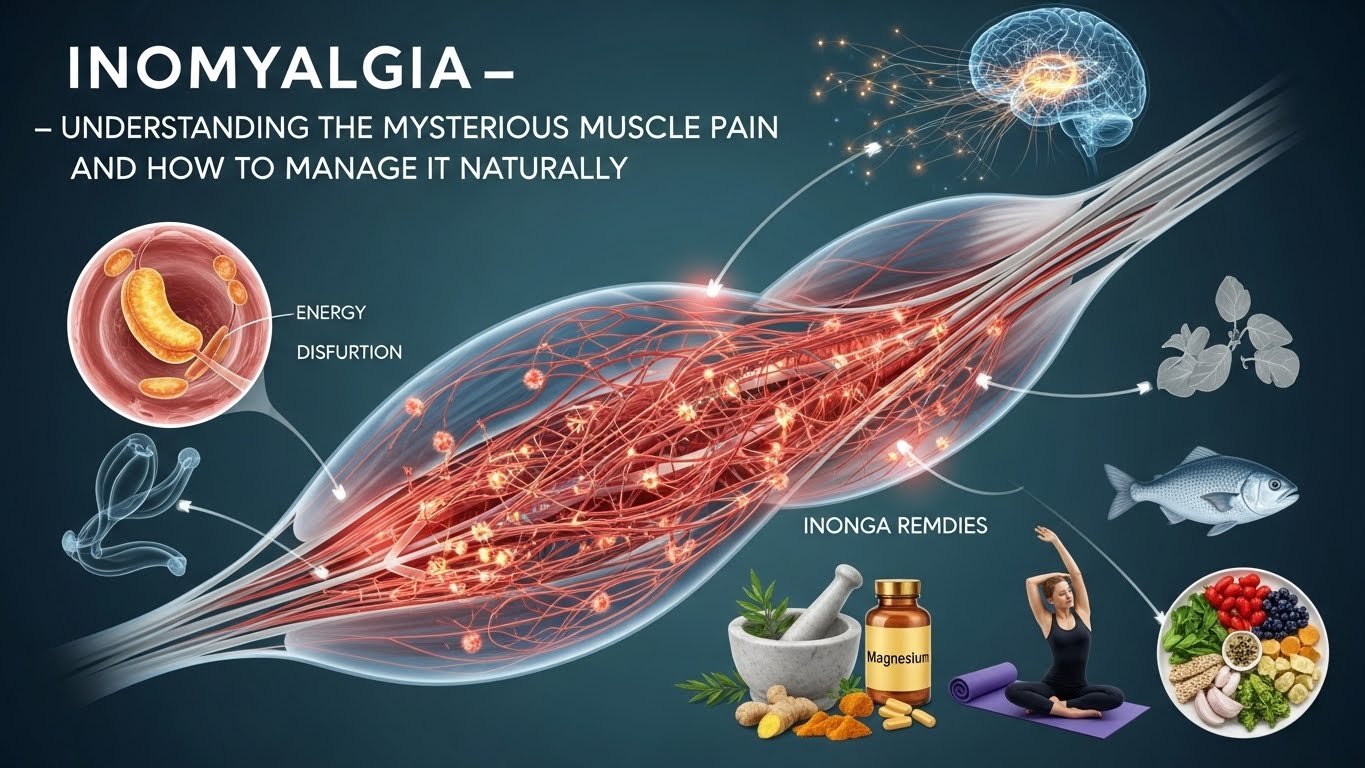
Inomyalgia is a condition that causes chronic muscle pain and stiffness in different parts of the body. The term comes from “ino,” meaning muscle fibers, and “myalgia,” meaning muscle pain. It can feel like a deep ache, tightness, or soreness, and it doesn’t always have a clear cause.
This condition may be similar to or confused with other issues like fibromyalgia, myofascial pain syndrome, or even chronic fatigue. One of the main differences is that inomyalgia focuses more clearly on deep muscle tissues rather than joints or nerve pain.
People with inomyalgia often feel tired, stiff after waking up, or sore after doing regular tasks. The pain might move around or stay in one area for a long time. It can also affect sleep, mood, and energy levels.
Even if inomyalgia isn’t fully understood by everyone yet, more people are beginning to recognize the need for support, relief, and understanding.
What Causes Inomyalgia?
Experts are still learning about the full cause of inomyalgia, but several factors may play a role. It’s likely a mix of things—physical, emotional, and environmental—that all come together.
Here are some common possible causes:
- Muscle overuse or injury
- Poor posture from sitting too long
- Stress or anxiety that tightens muscles
- Lack of movement or stretching
- Sleep problems or poor rest quality
- Hormone changes that affect pain signals
- Inflammation in the body
- Vitamin or mineral deficiencies
Some people may also notice inomyalgia after a viral infection, injury, or traumatic experience. While doctors may not always find a clear trigger, the symptoms are real, and the pain can greatly affect your quality of life.
Understanding what could be causing your pain is the first step toward feeling better.
Symptoms of Inomyalgia: What to Look For
How do you know if you’re dealing with inomyalgia? The signs can vary from person to person, but here are common symptoms:
- Deep muscle pain that lingers
- Soreness that moves from one area to another
- Chronic stiffness, especially in the morning
- Muscle tightness after light tasks
- Poor sleep or waking up feeling unrefreshed
- Tiredness or low energy
- Trouble concentrating (also called “brain fog”)
- Increased sensitivity to touch or pressure
Inomyalgia often feels like your muscles are always working—even when you’re resting. This fatigue can affect your emotions, focus, and ability to enjoy normal activities.
If these symptoms last more than a few weeks and don’t go away with rest, it’s worth talking to a doctor trained in managing chronic muscle conditions.
How Is Inomyalgia Diagnosed?
Since there’s no official blood test or scan to confirm inomyalgia, it can be challenging to diagnose. Many people are told it’s stress, aging, or “just soreness.” That’s why it’s so important to work with a knowledgeable provider who listens closely.
Doctors usually diagnose inomyalgia by:
- Asking about your pain history
- Checking your muscles through touch and movement tests
- Ruling out other conditions such as fibromyalgia, arthritis, or autoimmune diseases
- Finding patterns in symptoms like fatigue, mobility trouble, or emotional stress
Keeping a pain journal can help, too. Track when pain starts, where it is, how strong it feels, and what makes it better or worse.
It may take a few visits, but getting the right diagnosis matters. It helps you find the best path forward without feeling lost or ignored.
Inomyalgia vs Fibromyalgia: What’s the Difference?
You may wonder: “What’s the difference between inomyalgia and fibromyalgia?” It’s a great question because they are often confused.
Here are the key differences:
- Inomyalgia affects deep muscle fibers only, while fibromyalgia also involves nerves, fatigue, and brain sensitivity.
- Inomyalgia pain often involves fewer trigger points, while fibromyalgia has many.
- Fibromyalgia may cause more widespread pain, while inomyalgia often stays localized to key muscles like shoulders, back, or legs.
- Inomyalgia may be triggered by repetitive movement or physical strain, while fibromyalgia is often linked to a nervous system imbalance.
That said, it’s possible to have both conditions or to switch from one to the other over time. Knowing the difference helps doctors and patients plan proper treatment options.
Can Inomyalgia Be Treated?
There’s good news—yes, inomyalgia can be managed, and many people feel better once they find the right tools and support.
There’s no one magic pill, but by combining different approaches, you can reduce pain and improve your daily life. Treatment often involves:
- Gentle movement and stretching
- Muscle therapy or massage
- Anti-inflammatory foods and hydration
- Supplements that support muscle health (Vitamin D, Magnesium, B Complex)
- Relaxation techniques like deep breathing, meditation, or warm baths
- Physical therapy to improve posture and joint function
- Counseling or support groups for emotional healing
Exercise might sound hard when you’re in pain, but low-impact movement like swimming, walking, or yoga is very helpful.
The main goal is to reduce flare-ups, lower stress, and help your body recover gently over time.
Natural Ways to Ease Inomyalgia Pain
Want to explore natural ways to calm inomyalgia muscle pain? You’re not alone. Many people try nature-based options that support healing without harsh side effects.
Here are easy home methods to try:
- Epsom salt baths—relax muscles and help with magnesium levels
- Warm heating pads—soothe tension and increase blood flow
- Turmeric tea or supplements—natural anti-inflammatory support
- Gentle yoga or stretching—release tightness and increase mobility
- Essential oils—like lavender or peppermint (rub on sore areas)
- Proper sleep routines—stick to a calming bedtime pattern
- Hydration and anti-inflammatory foods—like berries, leafy greens, and omega-rich fish
Small habits build big change. You may not see instant results, but these supportive steps make a difference over time. Stick with it and adjust as needed.
Nutrition Tips for Managing Inomyalgia
What you eat affects how your body feels—especially with inomyalgia. Certain foods can cause more inflammation, while others can ease pain.
Try to include:
- Whole foods like fruits, veggies, and whole grains
- Omega-3 fats (found in salmon, flaxseeds, and walnuts)
- Protein to rebuild muscle fibers (chicken, beans, tofu)
- Turmeric spice for natural pain relief
- Magnesium-rich foods like spinach, avocado, and bananas
- Plenty of water to reduce cramping and dryness in muscles
Avoid:
- Sugar and processed snacks
- Caffeine overload
- Alcohol and smoking
- High-sodium foods which can trigger bloating and stiffness
Eating balanced, nourishing meals keeps your body fueled and calm. Many people notice fewer flares after making better food choices.
Living with Inomyalgia: Everyday Tips for Thriving
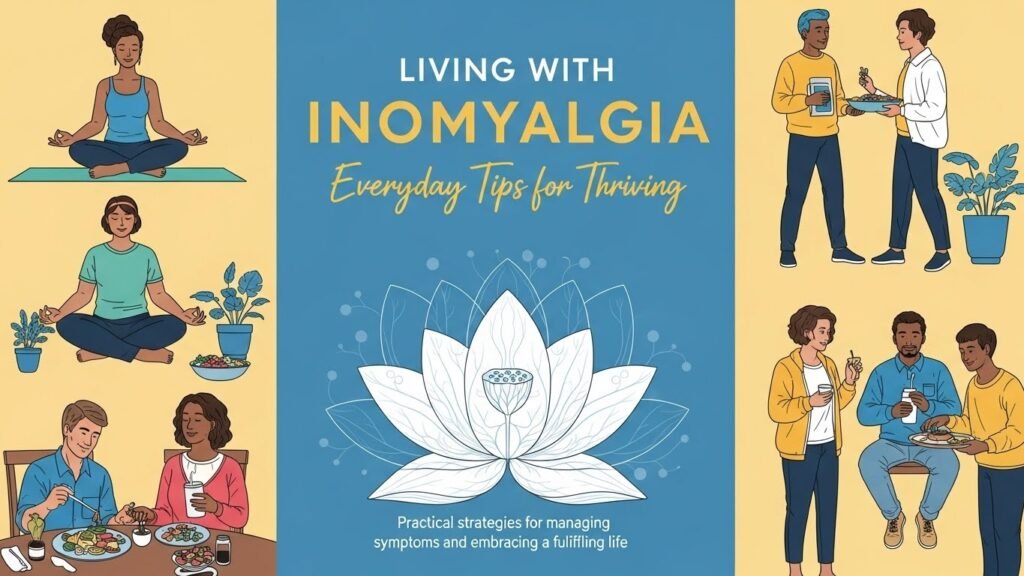
Life with inomyalgia can be challenging, but it doesn’t have to define you. There are daily changes that make a big difference over time.
Here are helpful lifestyle tips:
- Pace yourself—don’t overdo it on “good” days
- Use soft supports—like memory foam pillows or cushioned shoes
- Stretch every morning to gently loosen muscles before the day
- Take mini breaks throughout the day instead of pushing through pain
- Track your symptoms to learn personal triggers or patterns
- Ask for help when you need it—nobody has to manage pain alone
Most importantly: be kind to yourself. Healing takes time, and your body deserves patience, not guilt.
When to See a Doctor
If you think you might have inomyalgia, or if your pain is ongoing and affecting your daily life, it’s time to talk to a healthcare provider.
See a doctor if:
- Pain lasts longer than two weeks without clear cause
- You experience muscle weakness or numbness
- Sleep or focus feels impossible
- Symptoms are getting worse, not better
- You’ve already tried treatments with no relief
A good doctor can help rule out other conditions and build a care plan just for you. Don’t wait too long trying to fix the pain yourself. You deserve support and answers.
FAQs
1. What is the difference between inomyalgia and muscle soreness from exercise?
Exercise soreness goes away in a few days. Inomyalgia pain lingers longer and may spread or feel deeper.
2. Can inomyalgia go away on its own?
It may get better with healthy changes, but most people need long-term support and regular care.
3. Is inomyalgia dangerous?
No, but it can make daily life hard. It’s not life-threatening but still needs attention and care.
4. What’s the best exercise for inomyalgia?
Gentle walking, swimming, or yoga are great choices. Avoid high-impact workouts that strain muscles.
5. Can stress cause inomyalgia flare-ups?
Yes, mental stress often makes pain worse. Managing stress is key to calming symptoms.
6. Is it okay to use natural supplements for inomyalgia?
Yes, many people use vitamins like magnesium or turmeric. Always talk to your doctor first.
Conclusion
Inomyalgia may bring pain and fatigue, but it doesn’t have to steal your joy or dreams. By learning more about your body, finding supportive tools, and nurturing your mind and muscles, you can feel better and live better.
Remember: healing is not a race. It’s a process of small steps taken in love and patience. There are good days ahead, and you have the power to make them happen—starting now.
If you or someone you love is dealing with inomyalgia, know that help is out there. Reach out, speak up, and take care of yourself.